Pecan pie bars give you everything people love about pecan pie without the fussy crust, the stress of rolling, or the gamble of a slice collapsing on the plate. The base stays sturdy and buttery, the filling turns glossy and caramel-like, and the whole pan cuts into neat squares that hold together instead of oozing all over the board. They’re the kind of dessert that disappears fast because each bite hits that sweet-salty, crisp-gooey balance so well.
The shortbread layer matters here. Cornstarch keeps it tender and gives it that fine, sandy bite that makes a good bar feel rich instead of heavy. The filling is cooked briefly before it goes on the crust, which helps the sugars dissolve and gives you a smoother set after baking. That short boil also keeps the topping from tasting grainy or thin.
Below, I’ve included the one timing detail that keeps the bars from turning soggy, plus a few swaps that still work when you need to adjust for what’s in the pantry.
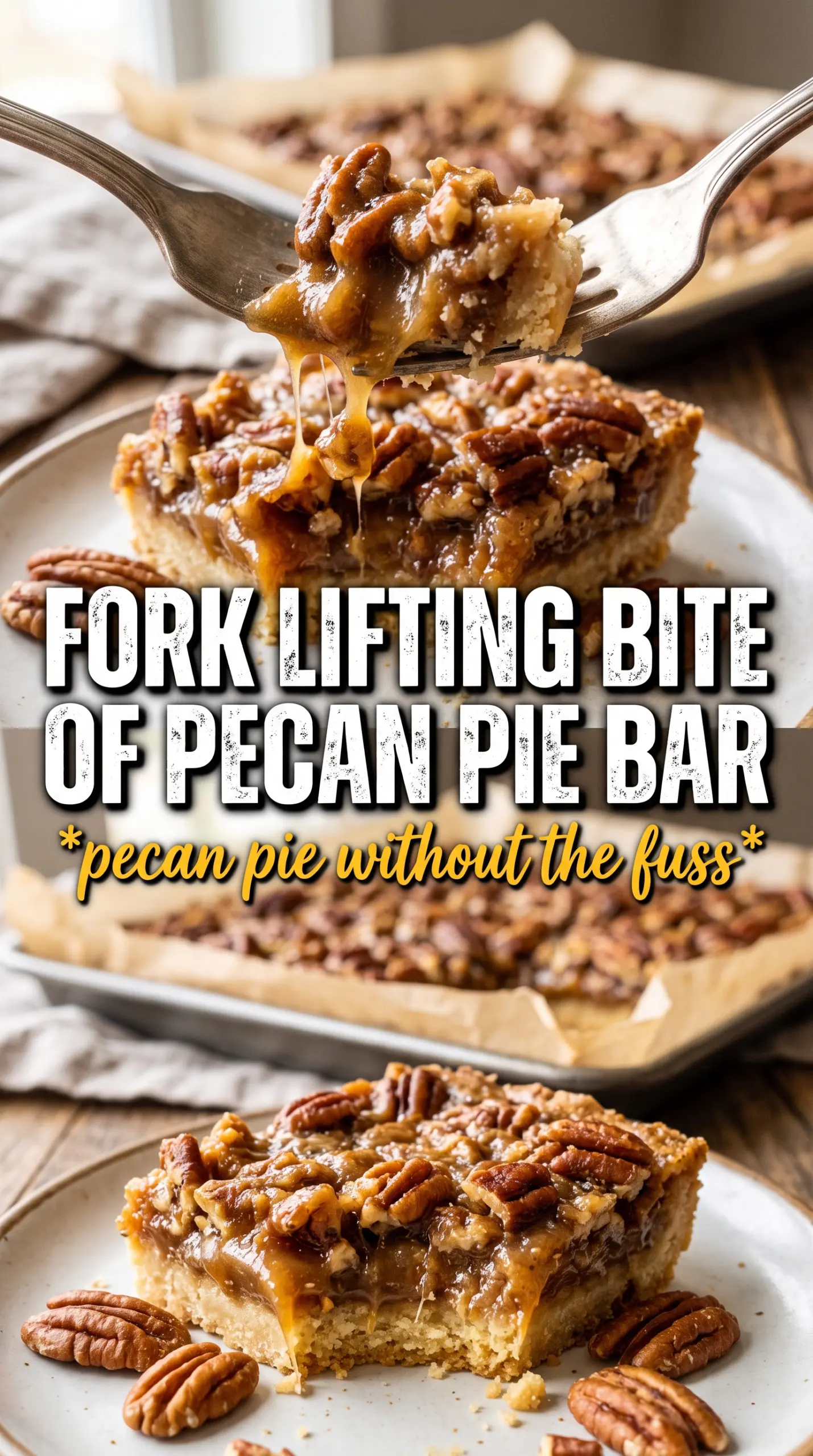
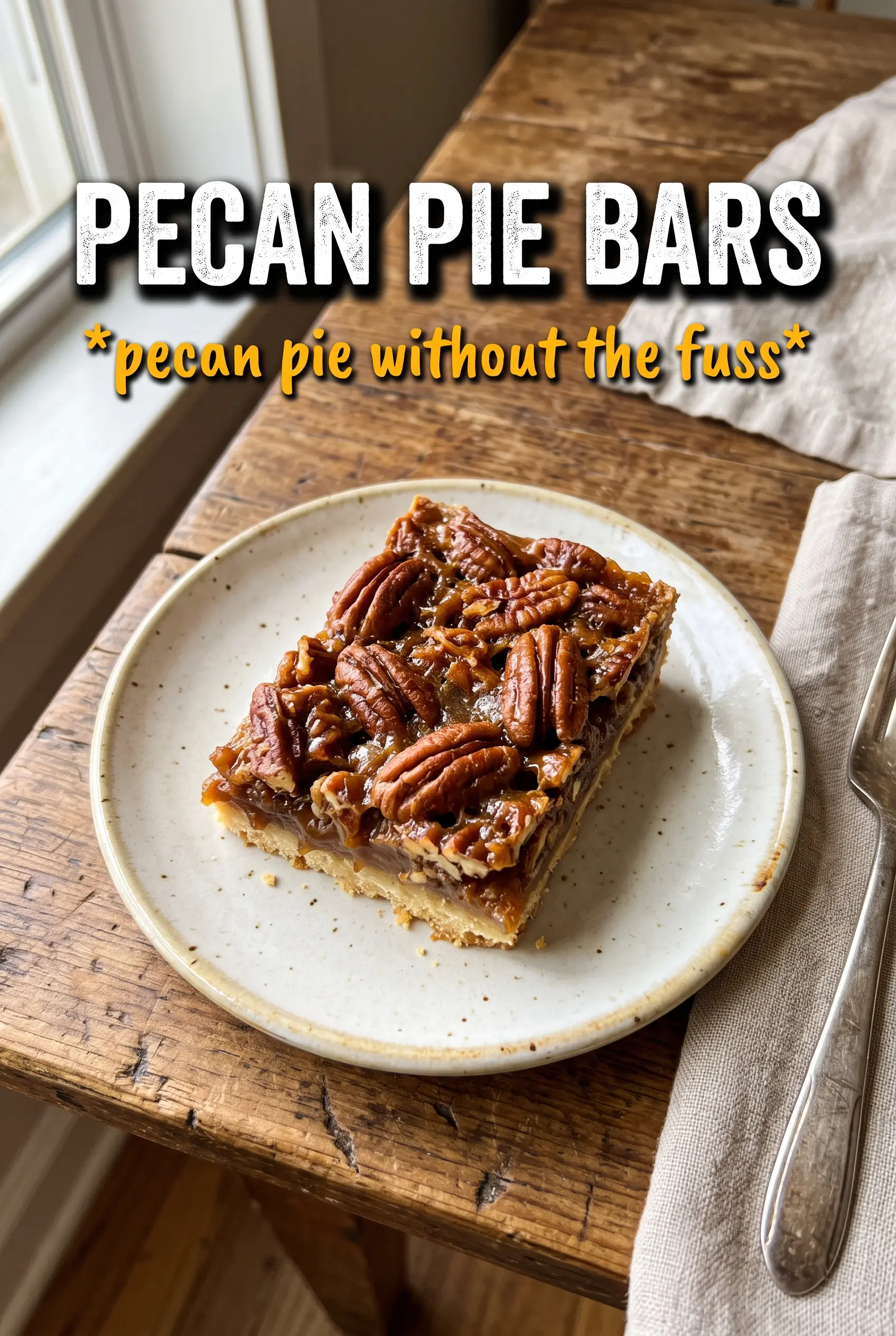
The shortbread stayed crisp under the filling, and the bars sliced cleanly once they cooled. I also loved that the pecans stayed whole and the topping set up glossy instead of sticky-messy.
Save these pecan pie bars for the kind of dessert that slices cleanly, travels well, and brings that sticky caramel-pecan topping without the hassle of a full pie.
The Crust Needs to Stay Short, Not Tough
With bar desserts like this, the crust can easily turn from tender to dense if you overwork it or press it unevenly. The goal is a compact layer that bakes into a clean base, not a doughy bottom that fights the filling. Cold butter and a light hand are doing the real work here.
The other trap is underbaking the crust before the topping goes on. If it’s still raw and pale, the filling will soak in and soften it before it has a chance to set. Bake it until the surface looks dry and just barely golden at the edges, then move fast with the filling while the pan is still hot.
What Each Ingredient Is Actually Doing in These Bars
- All-purpose flour — This gives the shortbread its structure. You need the gluten here, but only just enough to hold the crust together, not enough to make it bready.
- Powdered sugar — It sweetens the base without adding grit, and it helps the crust bake up more tender than granulated sugar would.
- Cornstarch — This is the texture insurance. It weakens the crust slightly in the best way, giving you that delicate, meltaway bite instead of a firm cookie base.
- Cold unsalted butter — Cold butter keeps the crust sandy before baking, which is what you want. If it softens too much while mixing, the crust can get greasy and lose that shortbread texture.
- Honey — Honey helps the filling stay glossy and chewy. It also keeps the sweetness round instead of sharp, which matters in a topping this rich.
- Heavy cream — This smooths out the filling and keeps the sugar mixture from tasting stiff or brittle. Half-and-half will work in a pinch, but the final set won’t be quite as plush.
- Whole pecans — Whole nuts give you better texture and a more dramatic top. Halves work too, but they can pack tighter and make the bars feel more uniform than crunchy.
The Part Where You Decide Whether the Bars Slice Cleanly or Turn Gooey
Building the Shortbread Base
Mix the dry ingredients first, then cut in the cold butter until the dough looks like damp sand with a few larger crumbs. Press it into the pan firmly and evenly, especially into the corners, because thin spots bake faster and can burn before the center is ready. The crust should look pale and set after baking, with only the lightest golden color at the edges. If you see bubbling butter pooling on top, the dough got too warm or the butter was worked in too much.
Cooking the Caramel Filling
Melt the butter, brown sugar, honey, and cream together over medium heat, then bring it to a real boil for two minutes. That brief boil is what helps the sugars combine into a filling that sets instead of staying runny. Stir enough to keep the sugar from catching, but don’t keep it on the stove longer than needed or the bars can turn hard once cooled. Pull it off the heat before adding the vanilla, salt, and pecans so the flavor stays bright and the nuts don’t overcook.
Baking Until the Center Just Sets
Pour the hot filling over the hot crust and spread it all the way to the corners. The bars are done when the top is bubbling and the center no longer looks loose or wet, even if it still has a slight jiggle. If you bake them until they look completely firm in the oven, they’ll usually be overdone after cooling. A little movement in the middle is fine; it finishes setting as the pan cools.
Cooling Before You Cut
This is the part people rush, and it matters. The bars need to cool completely so the filling tightens and the shortbread can firm up under it. If you cut too early, the pecan layer smears and the base crumbles. A little flaky salt on top right after baking gives you a sharper finish, but the slicing only works once the pan is fully cool.
How to Adapt These Bars for Different Kitchens
Gluten-Free Version
Swap the all-purpose flour for a good 1:1 gluten-free baking blend that includes xanthan gum. The crust will still hold, though it may taste a little more crumbly at the edges, so press it especially well into the pan before baking.
Dairy-Free Adjustment
Use a plant-based butter that works for baking in both the crust and filling, then replace the heavy cream with full-fat canned coconut milk. The bars will still set, but the filling will taste a little more coconut-forward and less buttery.
Maple Pecan Bars
Replace half of the honey with pure maple syrup for a deeper, woodsy sweetness. The filling will be slightly softer, so give the bars the full cooling time before slicing.
Storage and Reheating
- Refrigerator: Store in an airtight container for up to 5 days. The filling firms up in the fridge, and the crust stays best if the bars are layered with parchment.
- Freezer: These freeze well. Wrap the cut bars tightly and freeze for up to 2 months, then thaw in the fridge so the topping doesn’t weep.
- Reheating: Serve them at room temperature or warm individual bars for a few seconds in the microwave. Don’t heat them long enough to melt the filling again, or the crust can soften and the nuts can lose their snap.
Answers to the Questions Worth Asking
Pecan Pie Bars
Ingredients
Equipment
Method
- Preheat the oven to 350F and line a 9x13 pan with parchment.
- In a bowl, combine all-purpose flour, powdered sugar, cornstarch, and salt.
- Add cold unsalted butter, cubed, and cut it in until the dough just comes together.
- Press the dough firmly and evenly into the pan.
- Bake at 350F for 18-20 minutes, until pale golden.
- Melt unsalted butter, brown sugar, honey, and heavy cream over medium heat.
- Bring the mixture to a boil and cook for 2 minutes.
- Remove from the heat and stir in salt, vanilla extract, and whole pecans.
- Pour the pecan filling over the hot shortbread.
- Bake at 350F for 20-25 more minutes, until the filling is set.
- Sprinkle with flaky sea salt and cool completely before slicing, so clean bars form.