Sticky honey garlic chicken earns its place in the weeknight rotation because it gives you a glossy, caramelized glaze without needing a long ingredient list or fussy steps. The chicken turns golden in the pan first, then gets finished in a sauce that tastes sweet, savory, and sharp all at once. What lands on the plate is saucy but not thin, with enough body that the glaze clings to the chicken instead of slipping off and pooling into a watery mess.
The trick is building the sauce in the same skillet after the chicken comes out. Those browned bits on the bottom carry a lot of the flavor, and a quick simmer with honey, soy sauce, butter, and vinegar turns them into something deep and balanced. The cornstarch slurry goes in at the end, which keeps the glaze smooth and sticky instead of dull and gummy.
Below you’ll find the part that matters most: how to keep the chicken juicy while the sauce thickens properly, plus a few smart swaps if you need to work with what’s already in your kitchen.
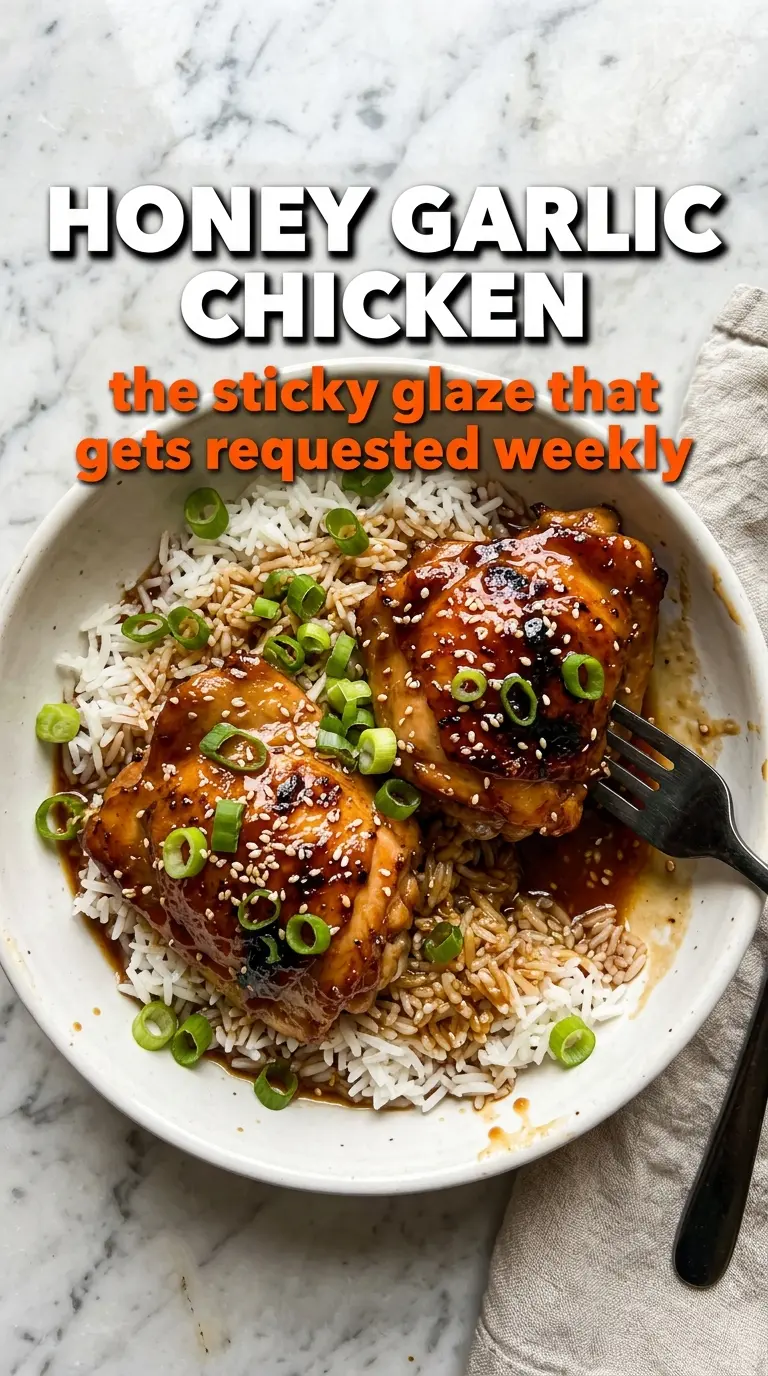
The glaze thickened exactly the way you described and coated the chicken instead of sliding off. I served it over rice, and my husband kept scraping the skillet for the extra sauce.
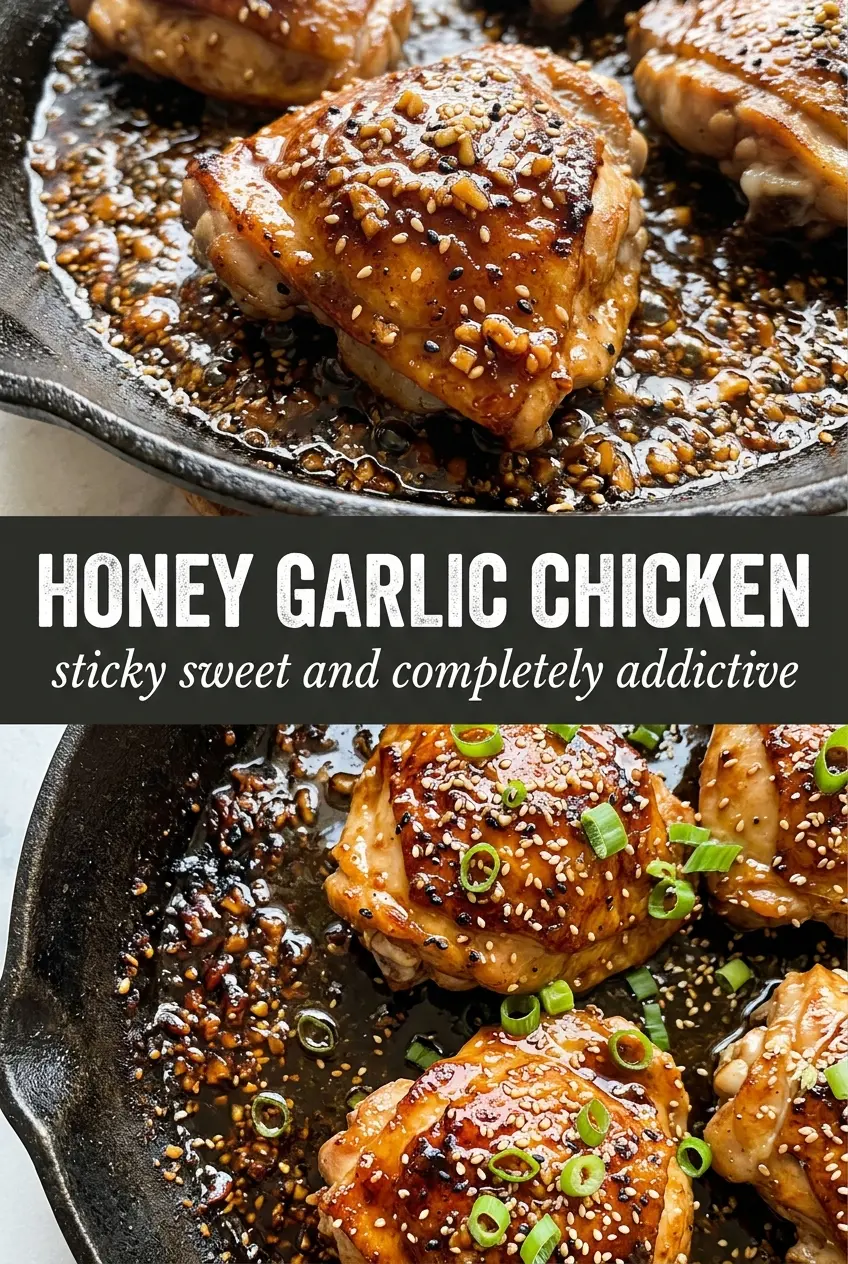
Sticky honey garlic chicken with that blistered amber glaze is perfect for nights when you want big flavor from one skillet.
The Sear Is What Keeps the Sauce from Turning Watery
If you skip the hard sear, the whole dish loses its backbone. Chicken breasts release a lot of moisture as they cook, and if the pan never gets hot enough to develop color, that moisture ends up diluting the glaze later. A good golden crust also gives the sauce something to cling to once the chicken goes back in.
Cook the chicken over medium-high heat and leave it alone long enough to color properly. If the pan is crowded, the chicken steams instead of browns, and you’ll notice the surface looking pale and wet instead of sealed and golden. Pull the chicken when it reaches 165°F in the center, then let the sauce take over in the same skillet.
What Each Ingredient Is Actually Doing in the Pan
- Chicken breasts — These give you a lean base that soaks up the glaze well, but they dry out if they’re cooked past done. If yours are thick, pound them to an even thickness so the center finishes at the same time as the edges.
- Honey — This is what makes the sauce lacquered and sticky. Don’t swap in maple syrup and expect the same finish; maple tastes good, but it won’t thicken and cling in quite the same way.
- Soy sauce — It brings salt and depth, and it keeps the honey from tasting one-note. Low-sodium soy sauce works fine if that’s what you keep on hand, but regular soy sauce gives the sauce a slightly bolder finish.
- Rice vinegar — The small splash of acid keeps the glaze from tasting heavy. If you don’t have it, apple cider vinegar is the best substitute, though it reads a little sharper.
- Cornstarch slurry — This is what turns the sauce from thin and glossy into a proper glaze. Stir it in after the sauce has come up to a simmer; if you add it before the liquid is hot, it won’t thicken evenly.
- Butter — It softens the edges of the soy and helps the garlic carry through the whole pan. You can use olive oil in a pinch, but the sauce will taste leaner and less rounded.
Building the Glaze Without Burning the Garlic
Seasoning and Searing the Chicken
Season both sides of the chicken with salt, pepper, and garlic powder before it hits the pan. The garlic powder seasons the meat itself, while the fresh garlic in the sauce handles the stronger aromatic finish. Sear in olive oil over medium-high heat until the surface is deeply golden and the chicken releases from the pan without sticking. If it sticks hard, give it another minute; forcing it early tears the crust and leaves flavor behind.
Waking Up the Garlic
When the chicken comes out, lower the heat slightly and add the butter and garlic. You want the garlic fragrant and pale gold, not browned. Burnt garlic turns bitter fast, and once that happens there’s no hiding it under honey. One minute is usually enough; stir constantly and move straight to the liquids as soon as it smells sweet.
Turning the Pan Drippings into Sauce
Pour in the honey, soy sauce, and rice vinegar, then stir up every browned bit from the bottom of the skillet. That fond is where the deep savory note comes from, and it should dissolve into the sauce as it simmers. Add the cornstarch slurry only after the sauce is bubbling gently. If the heat is too low, the slurry stays loose; if it’s too high, the sauce can tighten too fast and turn pasty instead of glossy.
Coating the Chicken and Finishing the Plate
Slide the chicken back into the skillet and turn each piece until every side is lacquered. The sauce should cling in a thin, shiny layer and pool in thick streaks around the pan. Let it cook for another minute or two just to finish the chicken and let the glaze settle. Scatter sesame seeds and green onions over the top right before serving so they stay bright and don’t wilt into the sauce.
Make It Spicier
Add a pinch of red pepper flakes with the garlic or stir in a little chili paste with the honey and soy sauce. The heat cuts through the sweetness and gives the glaze a sharper finish without changing the texture.
Use Chicken Thighs Instead
Boneless skinless thighs work beautifully here and stay juicier than breasts. Give them a little extra time in the skillet, because they can handle it, and expect a richer, slightly more savory result.
Gluten-Free Version
Use tamari or a certified gluten-free soy sauce in place of standard soy sauce. The rest of the recipe stays the same, and the glaze still thickens and clings the same way.
For a Fuller Pan Sauce
Double the sauce ingredients if you want extra for rice. It won’t change the flavor balance, but it gives you more of that sticky glaze to spoon over everything on the plate.
Storage and Reheating
- Refrigerator: Store leftovers in an airtight container for up to 4 days. The sauce will thicken as it chills.
- Freezer: It freezes well for about 2 months, though the glaze may loosen slightly after thawing. Freeze the chicken and sauce together, then thaw overnight in the refrigerator.
- Reheating: Warm gently in a skillet over low heat with a splash of water to loosen the glaze. High heat can make the chicken tough and can push the sauce from sticky to scorched before it warms through.
Answers to the Questions Worth Asking
Honey Garlic Chicken
Ingredients
Equipment
Method
- Pat the chicken breasts dry, then season all over with salt, pepper, and garlic powder to taste. Heat olive oil in a large skillet over medium-high heat until shimmering, then place chicken in the pan.
- Sear for 5-6 minutes per side, until the outside is golden and the internal temperature reaches 165°F. Remove chicken to a plate while you make the sauce.
- In the same pan, reduce heat to medium and melt the butter. Add minced garlic and cook for 1 minute until fragrant, scraping up any browned bits.
- Stir in honey, soy sauce, and rice vinegar. Bring to a gentle simmer, then keep stirring until the mixture looks glossy and unified.
- Add the cornstarch slurry and stir until no lumps remain. Simmer 2-3 minutes until the sauce thickens to a sticky glaze that coats the back of a spoon.
- Return the chicken to the pan and turn to coat in the honey garlic glaze. Cook 1-2 more minutes so the sauce clings and the glaze looks amber and blistered.
- Garnish with sesame seeds and sliced green onions. Serve immediately over steamed rice.