Bold, buttery, and just sharp enough from the lemon to keep every bite moving, cowboy butter chicken linguine is the kind of pasta that earns a repeat spot fast. The chicken gets a proper sear, the sauce clings to the noodles instead of pooling in the bottom of the bowl, and the mix of garlic, Dijon, smoked paprika, and herbs gives the whole dish a little heat without flattening out the butter.
What makes this version work is timing. The chicken is cooked first and pulled out while the skillet is still hot, so the browned bits stay in the pan and season the sauce. Then the butter gets just enough heat to bloom the garlic and spices without scorching them, which is where a lot of butter-based pasta sauces go wrong. A splash of pasta water at the end turns everything glossy and helps the sauce wrap around the linguine instead of sliding off.
Below, you’ll find the small details that matter most: how hard to sear the chicken, when to add the lemon so the sauce stays smooth, and a few smart swaps if you need to adjust the heat or make the dish work with what’s in your kitchen.
The sauce coated the linguine perfectly and the lemon kept the butter from feeling heavy. I used a little pasta water at the end like you said, and it turned glossy instead of greasy.
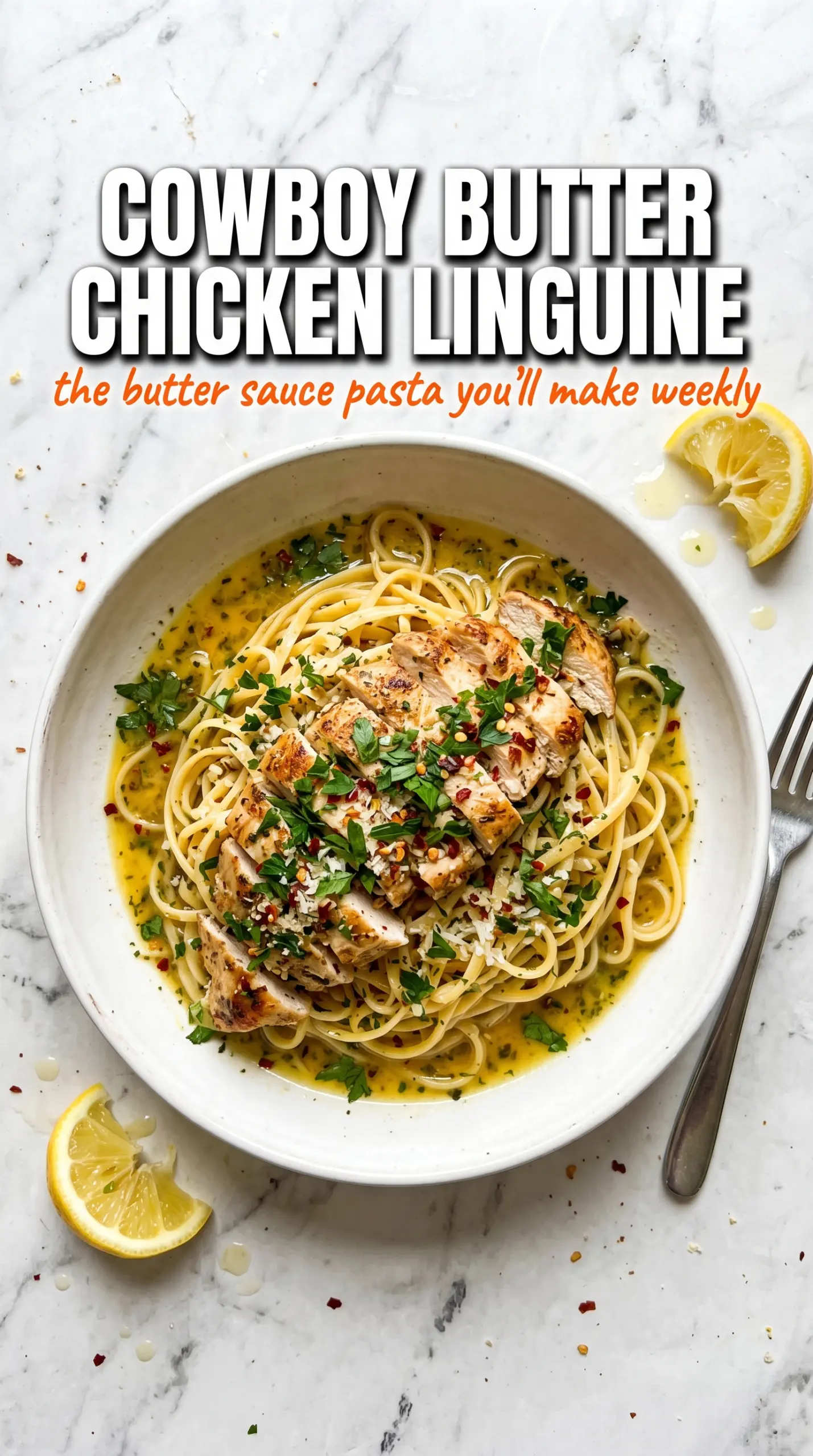
Cowboy butter chicken linguine with seared chicken, lemony butter sauce, and a glossy finish worth keeping on hand.
The Part That Keeps the Sauce from Turning Greasy
The biggest mistake with butter-heavy pasta is rushing the pan. If the garlic browns too hard or the butter gets too hot before the lemon goes in, the sauce can taste flat or separate into an oily layer instead of coating the noodles. The answer is to use the skillet’s residual heat after searing the chicken, then build the sauce over medium heat so the fat stays stable and the aromatics stay sweet.
The other thing that matters here is the pasta water. It isn’t just there to loosen the sauce; the starch helps bind the butter, mustard, and lemon into something that clings to the linguine. Add it a splash at a time until the sauce looks silky and moves around the pan like a loose gloss, not a puddle.
- Chicken breasts — Cutting them into strips keeps the sear fast and gives you more browned surface area. Thighs work too if you want a richer result, but they need a couple more minutes in the pan.
- Butter — Use real butter here. This sauce depends on that clean, rich finish, and substitutes like margarine won’t give the same body or flavor.
- Dijon mustard — It doesn’t make the sauce taste like mustard. It sharpens the butter and helps the sauce emulsify, which is why the sauce holds together instead of feeling slick.
- Lemon juice — Fresh is worth it. Bottled lemon juice can taste dull and harsh, and this dish needs brightness to balance the butter and spice.
- Parsley and chives — Add them at the end so they stay fresh and green. Dried herbs won’t give the same lift here.
- Linguine — The flat shape catches the sauce better than spaghetti. If you swap in another pasta, choose one with enough surface area to hold the butter sauce.
What Each Ingredient Is Actually Doing in This Recipe
- Primary ingredient (the star) — Quality matters most. Choose the best you can find.
- Cooking medium (oil, butter, or broth) — This carries flavors and prevents dryness.
- Seasonings (salt, pepper, spices, herbs) — Layer flavors so nothing overpowers. Build depth gradually.
- Aromatics (garlic, onion, herbs) — Cook with fat to bloom flavors. Become the foundation.
- Supporting ingredients — Complement the main ingredient without overpowering it.
- Sauce or liquid (if applicable) — Brings flavors together. Balance richness with acid.
- Acid (lemon, vinegar, wine, or other) — Brightens and prevents flat-tasting results.
- Final finish (garnish, glaze, or sauce) — Prevents one-dimensional taste and adds visual appeal.
Building the Chicken and Sauce in the Right Order
Get the Chicken Browned, Not Steamed
Season the chicken well before it hits the pan, then cook it in hot oil in a single layer. If the skillet is crowded, the chicken will release moisture and steam instead of searing, which leaves you with pale meat and less flavor in the pan. Pull it once it’s cooked through and the edges have a deep golden crust. That browned residue is the base of the sauce, so don’t clean the skillet.
Bloom the Garlic and Spices Briefly
Drop the butter into the same pan and let it melt over medium heat, then add the garlic for just about a minute. You want it fragrant, not browned. Stir in the Dijon, smoked paprika, red pepper flakes, and cayenne long enough to wake them up, but not so long that the spices taste bitter. If the pan starts smoking, lower the heat right away.
Finish with Lemon and Pasta Water
Add the lemon juice, parsley, and chives after the spices are in and the heat is controlled. Then toss in the cooked linguine with a splash of pasta water and keep turning it until the sauce looks shiny and coats the noodles evenly. If it looks tight or broken, add more pasta water a tablespoon at a time. That small amount of starch is what pulls the sauce back together.
Return the Chicken at the End
Add the seared chicken back over the pasta just long enough to warm it through. You’re not cooking it again, just letting it rejoin the sauce so every bite picks up the seasoning. Serve it right away while the butter is still glossy and the herbs are bright.
How to Adjust the Heat, Dairy, or Pasta Shape Without Losing the Point
Make it milder for less heat
Leave out the cayenne and cut the red pepper flakes in half. You’ll still get the smoky, garlicky cowboy butter flavor, but the finish will be warmer than spicy. That’s the right move if you want the sauce to stay kid-friendly or if you’re serving people who don’t love a sharp kick.
Use gluten-free pasta without changing the sauce
Swap in a sturdy gluten-free linguine and cook it just to the edge of done. Gluten-free noodles can break down faster, so use a little less pasta water at first and toss gently. The sauce still works; it just needs a lighter hand.
Make it richer with chicken thighs
Boneless thighs give you a juicier bite and a little more richness in the finished bowl. They also handle high heat well, so the sear is forgiving. Just cook them through fully before pulling them from the skillet.
Storage and Reheating
- Refrigerator: Store leftovers in an airtight container for up to 3 days. The pasta will absorb some sauce as it sits.
- Freezer: I don’t recommend freezing this dish. Butter sauces and pasta both suffer in texture after thawing, and the sauce can turn grainy.
- Reheating: Warm it gently in a skillet over low heat with a splash of water or broth. High heat is the fastest way to make the sauce break and dry out the chicken.
Questions I Get Asked About This Recipe
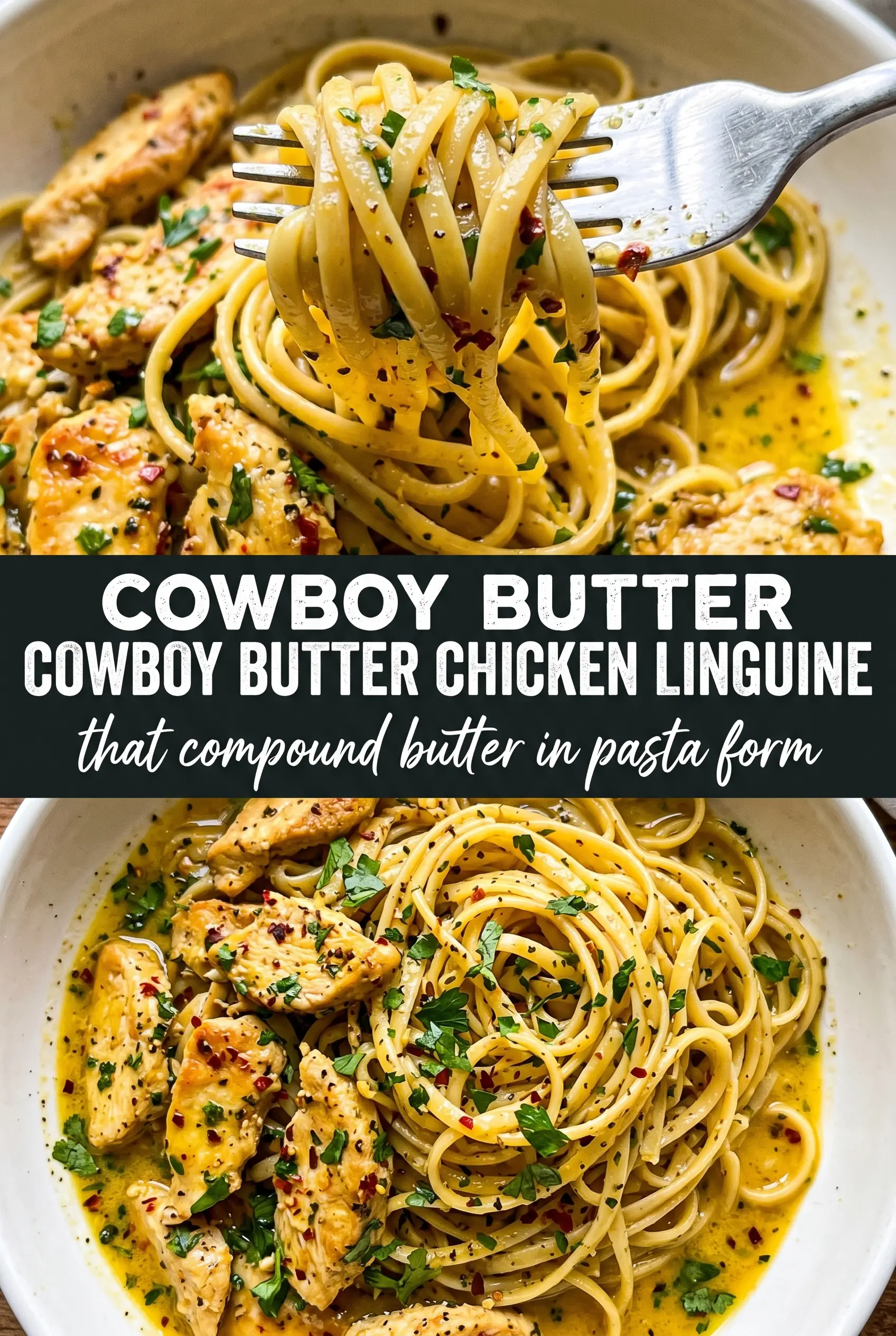
Cowboy Butter Chicken Linguine
Ingredients
Equipment
Method
- Season the chicken strips with salt, pepper, and Cajun seasoning. Heat olive oil in a large skillet over high heat, then add chicken and cook for 4-5 minutes until charred and cooked through, stirring as needed.
- Remove the seared chicken from the skillet to a plate while you make the sauce.
- Melt the butter in the same skillet over medium heat. Add the minced garlic and cook for 1 minute, stirring, until fragrant.
- Stir in Dijon mustard, smoked paprika, red pepper flakes, and cayenne pepper, then cook for 30 seconds to bloom the spices. Add the fresh lemon juice, parsley, and chives, stirring to combine.
- Add the cooked linguine to the skillet and toss with the cowboy butter sauce. Add reserved pasta water as needed until the pasta is glossy and evenly coated.
- Top the pasta with the seared chicken strips, fanning them over the linguine. Serve immediately while hot.