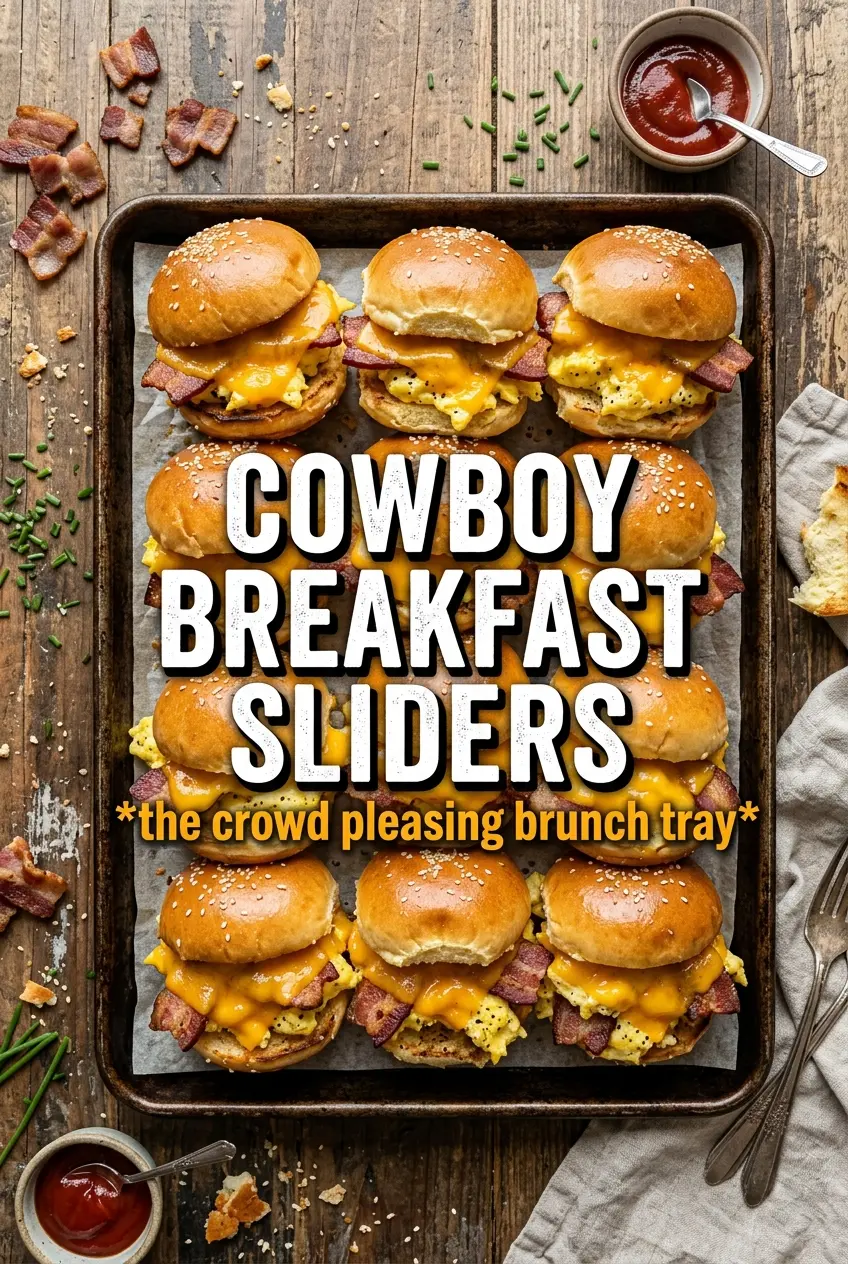
Golden tops, melty cheddar, and a buttery glaze make these cowboy breakfast sliders the kind of breakfast that disappears fast. The rolls bake up soft underneath and crisp at the edges, while the sausage, eggs, and bacon turn each bite into a full breakfast with no fork needed. They land somewhere between a breakfast sandwich and a brunch casserole, and that’s exactly why they work so well for feeding a crowd.
The key is building them in layers that can handle the oven without turning soggy. Scrambled eggs that are just set hold their shape better than soft, custardy eggs, and sharp cheddar gives you enough punch to taste through the buttery rolls. The Dijon-Worcestershire glaze does more than add flavor — it helps the tops brown and gives the everything bagel seasoning something to cling to.
Below, I’ve included the timing details that keep the bottoms from getting greasy, plus a few smart swaps if you want to skip the bacon or make the sliders a little spicier.
The rolls stayed soft on the bottom and the tops got that perfect golden crust. I used a little hot sauce in the eggs and the whole pan vanished before the coffee was even finished.
These cowboy breakfast sliders bake up with golden tops, gooey cheddar, and a buttery seasoning crust that holds together beautifully.
The Secret to Sliders That Don’t Turn Soggy in the Pan
The mistake most breakfast sliders make is going heavy on filling without thinking about moisture. Eggs release steam, sausage gives off fat, and if the rolls sit directly in that for too long before baking, the bottoms go dense instead of tender. These work because the eggs are cooked first and the assembled sliders go straight into the oven before the bread has time to soak.
Hawaiian rolls are the right choice here because they’re sturdy enough to hold the fillings but soft enough to pull apart cleanly after baking. The butter glaze on top also helps protect the rolls from drying out while giving you that bakery-style finish. If you use plain sandwich rolls, you’ll lose some of that gentle sweetness and the tops won’t brown the same way.
- Hawaiian rolls — Their slight sweetness plays well with sausage, bacon, and cheddar. Slider buns work too, but the texture is usually less tender after baking.
- Sharp cheddar — This is the cheese that keeps the whole thing from tasting flat. Mild cheddar melts fine, but sharp cheddar cuts through the butter and sausage better.
- Breakfast sausage — Use a cooked, crumbled sausage with enough seasoning to stand on its own. If yours is bland, the sliders will be bland.
- Butter glaze — The Dijon and Worcestershire add depth, not heat. Don’t skip them unless you have to; plain butter won’t give the same savory finish.
What Each Layer Is Doing Before It Hits the Oven
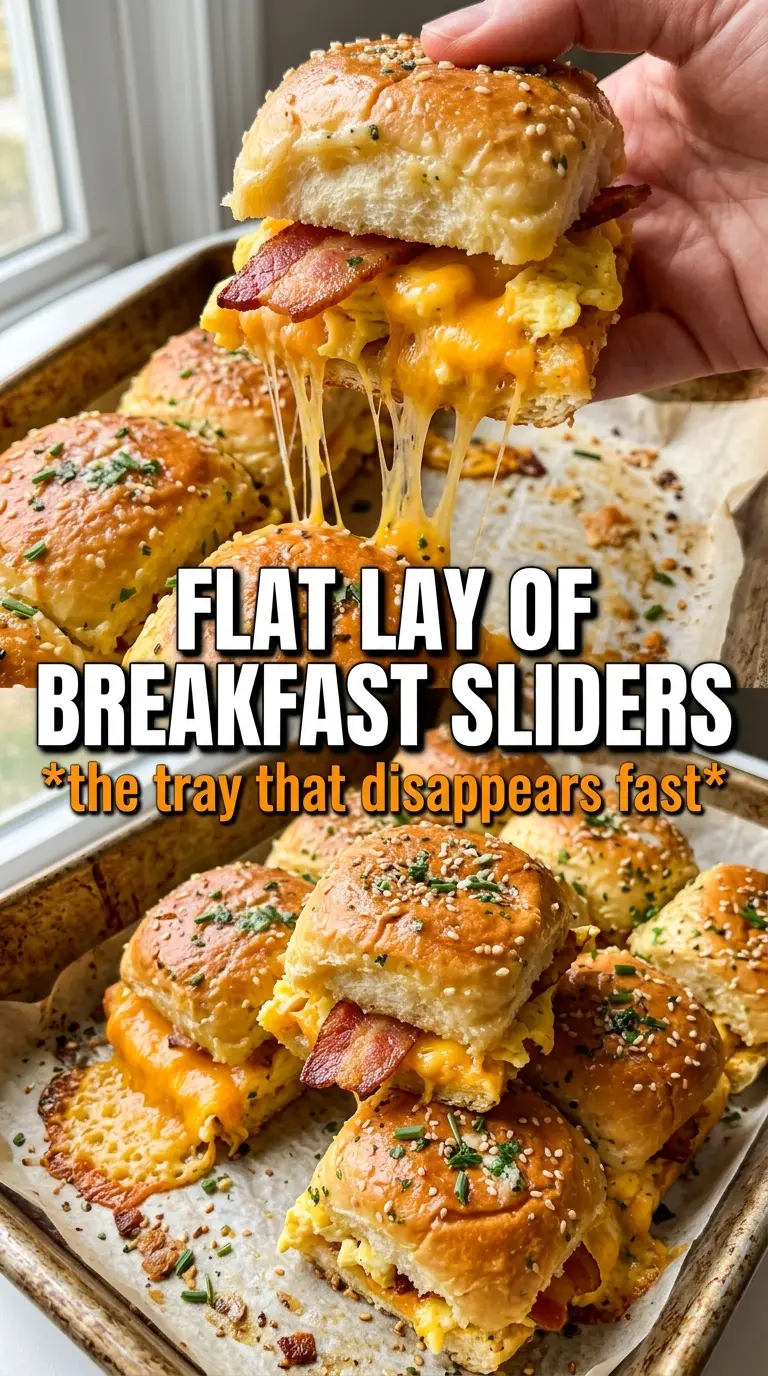
- Hawaiian rolls or slider buns — The base and top of the sandwich need to be cut as one sheet so the sliders stay aligned in the pan. Pulling them apart first makes assembly messier and the bake uneven.
- Breakfast sausage — This adds the main savory backbone. Drain off excess grease after cooking so the sliders don’t turn oily.
- Eggs — Scramble them until just set, not dry. They’ll finish in the oven, and overcooked eggs turn rubbery fast.
- Sharp cheddar — It melts into the eggs and sausage, binding the layers together. Pre-shredded works, but freshly shredded melts a little smoother.
- Bacon and jalapeños — Bacon adds crunch and salt; jalapeños bring a clean heat. If you want less spice, leave the peppers off and add hot sauce at the table instead.
- Butter glaze — Brush it on generously and get some down into the cracks between rolls. That’s what gives the tops color and keeps the seasoning from falling off.
Assembling Them So the Tops Brown and the Centers Melt
Cook the Fillings First
Start with the sausage and bacon already cooked, then scramble the eggs until they’re soft-set and no liquid pools remain. If the eggs are still wet when they go into the pan, the steam has nowhere to go and the bottoms of the rolls will soften too much. Let everything cool for a minute or two so the cheese doesn’t melt on contact before the sliders are assembled.
Layer the Pan With the Heavy Stuff in the Middle
Keep the bottom halves of the rolls intact and place them cut-side up in the baking dish. Add the eggs first, then the sausage, bacon, jalapeños, and cheddar so the cheese has a chance to melt through the fillings and hold everything together. If you pile the cheese only on top, the sliders can slide apart when you cut them.
Brush, Season, and Bake Until the Tops Are Deep Gold
Whisk the glaze until the Dijon is fully dissolved, then brush it over the tops all the way to the edges. The everything bagel seasoning sticks best when the butter is warm and the bread is still dry on top. Bake until the cheese is melted and the tops are golden brown; if the edges brown too fast, tent loosely with foil for the last few minutes.
Ways to Tweak the Filling Without Losing the Structure
Make Them Spicier With Jalapeños and Hot Sauce
Add sliced jalapeños between the sausage and cheese, then stir a few dashes of hot sauce into the eggs before assembling. That gives the heat more even distribution instead of all of it sitting on top. Pickled jalapeños bring a sharper bite; fresh jalapeños taste greener and a little brighter.
Dairy-Free Version That Still Bakes Well
Use a good melting dairy-free cheese and swap the butter glaze for melted plant-based butter. The result will still brown, but the top won’t have quite the same richness, so lean on the sausage seasoning and Worcestershire for flavor. Check your Worcestershire label if you’re avoiding anchovies or other animal ingredients.
Bacon-Free Breakfast Sliders
Leave the bacon out and add an extra half cup of cheddar or a handful of sautéed peppers and onions. You’ll lose some smoky salt, so season the eggs a little more assertively. This version still holds together well and is easier to prep if you already have sausage on hand.
Make-Ahead Assembly for Busy Mornings
You can cook the sausage, bacon, and eggs a day ahead, then assemble and bake just before serving. Keep the fillings chilled and don’t add the butter glaze until right before the pan goes into the oven. If you assemble too far ahead, the rolls start absorbing moisture and lose that soft-but-structured texture.
Storage and Reheating
- Refrigerator: Store leftovers tightly covered for up to 3 days. The rolls soften a bit, but the flavor holds well.
- Freezer: These freeze better after baking than before. Wrap individual sliders tightly and freeze for up to 2 months.
- Reheating: Warm in a 325F oven, covered loosely with foil, until heated through. Microwaving works for speed, but it makes the bread chewy and the cheese can turn greasy.