Cinnamon fried apples hit that perfect middle ground between tender and spoonable, with edges that still hold their shape and a glossy syrup that clings instead of pooling in the pan. The apples soften just enough to taste like dessert, but they keep a little bite, which keeps the whole dish from turning to applesauce.
The trick is cooking the apples covered at first, then tightening the sauce at the end with a cornstarch slurry. That order matters. If you thicken too early, the syrup can turn pasty before the apples finish softening. Brown sugar brings a deeper caramel note than white sugar, and a small pinch of salt keeps the cinnamon from tasting flat.
Below, I’ve included the timing cues that matter most, plus a few easy swaps if you only have one kind of apple on hand. Once you’ve made them this way, they’re easy to slide into breakfast, dessert, or a simple side dish for pork or ham.
The syrup thickened up beautifully and the apples stayed in slices instead of falling apart. I served them with pork chops and my husband kept sneaking spoonfuls from the pan.
Save these cinnamon fried apples for a quick Southern side with glossy brown sugar sauce and tender apple slices.
The One Mistake That Turns Fried Apples Mushy
The fastest way to ruin fried apples is cooking them uncovered the whole time. The moisture evaporates too fast, the sugar tightens early, and the apples can go from firm to broken before the sauce ever gets glossy. Covering the skillet first traps enough steam to soften the fruit evenly without scorching the sugar on the bottom.
The second mistake is using apples that are already mealy. You want a firm apple that can take heat and keep some structure. Honeycrisp gives you sweetness and a clean bite; Granny Smith brings more tartness and a firmer finish. Either one works, but very soft apples will collapse long before the syrup is ready.
What Each Ingredient Is Actually Doing In This Skillet
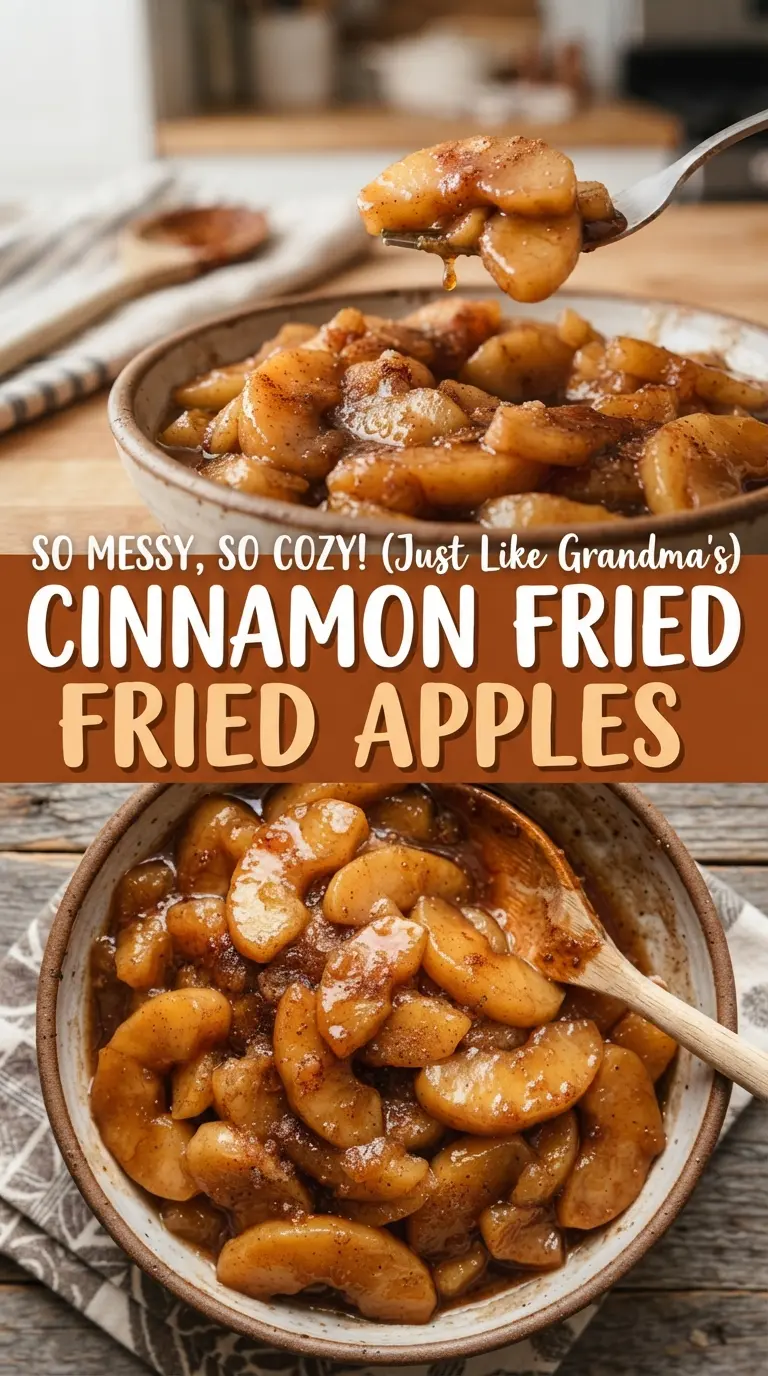
- Apples — Firm apples hold their shape and give you slices instead of sauce. Honeycrisp leans sweeter and juicier, while Granny Smith stays a little sharper and firmer after cooking. If you only have softer apples, cut them a touch thicker so they don’t dissolve as fast.
- Butter — This is what gives the skillet sauce its round, rich base. There isn’t a real substitute that tastes the same, though you can use plant butter in a pinch if you need a dairy-free version. Don’t brown it; you want it melted, not nutty.
- Brown sugar — Brown sugar builds the caramel-like syrup and keeps the sauce from tasting thin. Packed light brown sugar is fine here. Granulated sugar works, but the sauce will taste flatter and less warm.
- Cinnamon and nutmeg — Cinnamon carries the dish, and nutmeg adds just enough depth to keep it from tasting one-note. Freshly opened spice is worth it here because the dish is so simple. If you want a cleaner cinnamon flavor, skip the nutmeg, but don’t increase it.
- Cornstarch — This is what turns the pan juices into a glossy coating instead of a watery puddle. Stir it into cold water first so it disperses evenly. If you dump the starch straight into the skillet, you’ll get little gelatinous clumps.
- Vanilla — Add it at the end so it stays fragrant. Heat dulls vanilla fast, which is why it goes in after the sauce thickens. It doesn’t make the dish taste like dessert on its own; it just smooths the edges.
How to Get the Apples Tender Before the Sauce Tightens
Melting the Butter
Set the skillet over medium heat and let the butter melt fully before the apples go in. You want it foaming gently, not browning hard at the edges. If the butter is smoking, the pan is too hot and the sugar will grab on contact.
Coating and Steaming the Apples
Add the apples, sugar, cinnamon, nutmeg, and salt, then stir until every slice is slicked with syrup. Cover the pan and keep the heat at a steady medium-low to medium; that trapped steam is what softens the fruit. Stir once or twice so the bottom slices don’t overcook, but don’t keep lifting the lid or you’ll lose the moisture that helps the apples tenderize.
Thickening the Syrup
Whisk the cornstarch with water until it looks completely smooth, then pour it into the skillet while stirring. The sauce should turn from loose and shiny to glossy and lightly thickened within a couple of minutes. If it still looks thin, let it simmer a little longer; if it turns gummy, the heat was too high or the starch went in before it was mixed well.
Finishing With Vanilla
Stir in the vanilla once the pan comes off the strongest heat. That preserves the aroma and keeps the sauce tasting clean instead of cooked down. Serve the apples warm, while the syrup is still loose enough to spoon over everything in the pan.
How to Adapt These Fried Apples for Different Tables
Dairy-Free Fried Apples
Swap the butter for a good plant butter with a similar fat content. You still get a glossy skillet sauce, though the flavor will be a little less rich and more neutral. Coconut oil works in a pinch, but it changes the flavor and can read coconut against the cinnamon.
Less-Sweet Southern Side Dish
Cut the brown sugar back by a tablespoon or two if you’re serving these with ham or pork and want the apples to lean more savory. The sauce will be a little lighter, but the fruit still softens the same way. Don’t remove the sugar entirely or the syrup won’t have enough body to coat the apples.
Extra-Firm Apples for Cleaner Slices
If your apples are especially hard, slice them a little thinner and give them the full covered cook time. That helps the centers soften before the syrup thickens. Thicker slices are fine too, but they need more time under the lid or they’ll stay crisp in the middle.
Storage and Reheating
- Refrigerator: Store in an airtight container for up to 4 days. The apples soften a bit more as they sit, and the sauce thickens in the fridge.
- Freezer: These freeze, but the texture turns softer after thawing, so I only freeze them if I plan to use them over oatmeal, pancakes, or yogurt.
- Reheating: Warm gently in a skillet over low heat with a splash of water if the sauce has tightened too much. Microwaving too long can make the apples collapse and turn the syrup sticky.
Answers to the Questions Worth Asking
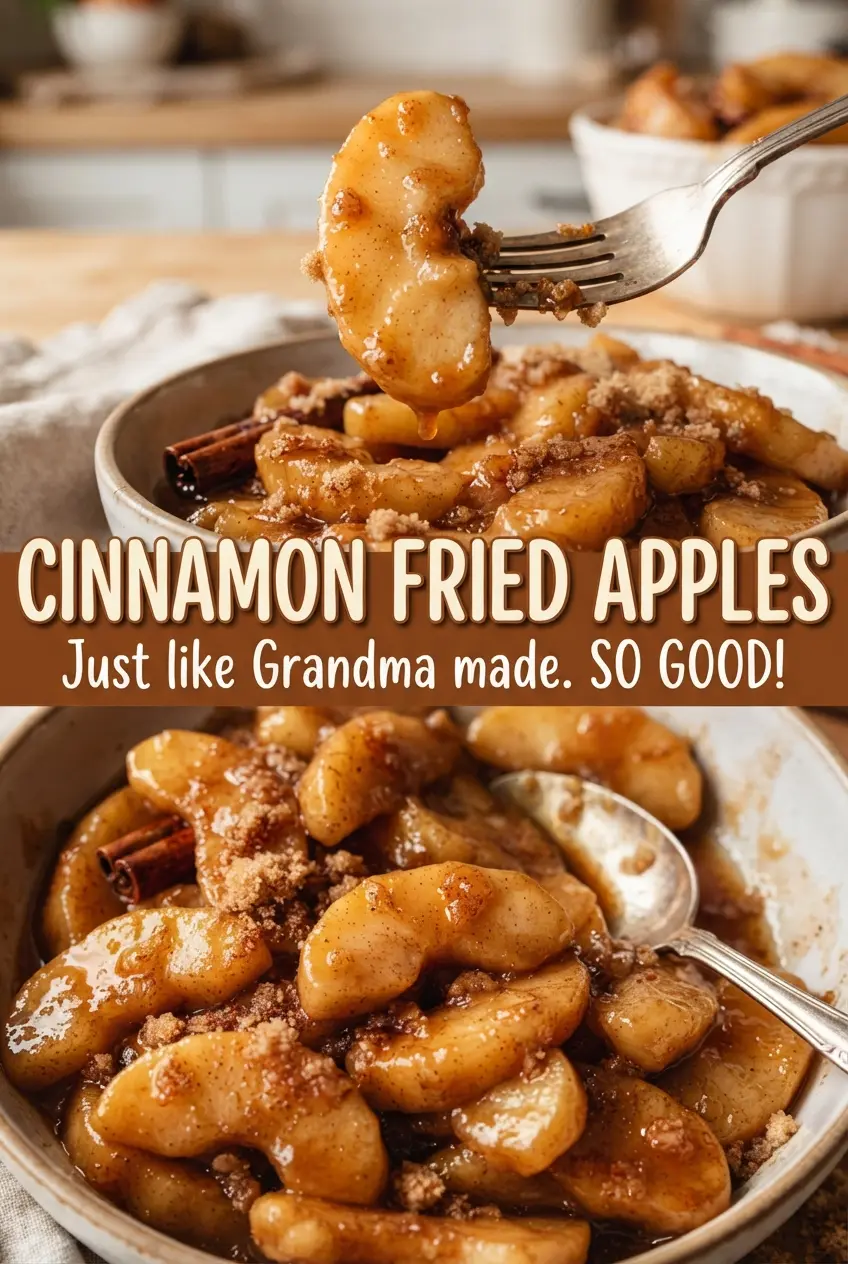
Cinnamon Fried Apples
Ingredients
Equipment
Method
- Melt the butter in a large skillet over medium heat until glossy.
- Add the apples, brown sugar, ground cinnamon, nutmeg, and salt, then stir to coat every slice evenly.
- Cover the skillet and cook for 8-10 minutes over medium heat, stirring occasionally, until the apples are just tender (not mushy).
- Whisk the cornstarch with the water, then pour it into the skillet while stirring.
- Simmer for 2-3 minutes until the sauce thickens and turns glossy, clinging to the apples.
- Stir in the vanilla extract and serve warm.