Butternut squash pasta sauce turns a simple bowl of rigatoni into something silky, savory, and rich without leaning on a heavy cream base. The squash brings a soft sweetness, the parmesan sharpens it up, and the sage gives the whole pot that unmistakable fall-back-on-it-again comfort. When it’s blended until completely smooth, the sauce clings to every ridge of the pasta and settles into the kind of dinner that tastes like it took more effort than it did.
The trick is cooking the squash until it’s truly tender before blending. If it’s even a little firm, the sauce stays grainy instead of turning velvety. I also like building the flavor in stages: sautéing the onion until it’s soft, letting the garlic and sage bloom briefly, then simmering the squash in broth until it practically falls apart. That layering matters because the final sauce is simple, and simple sauce only works when every ingredient is pulling its weight.
Below you’ll find the small details that make this pasta sauce behave like it should, plus a few smart swaps if you need to adapt it for what’s in your kitchen.
The squash cooked down until it was completely tender, and after blending the sauce was smooth enough to coat the rigatoni without being heavy. I added a splash of pasta water at the end and it turned glossy and perfect.
Save this butternut squash pasta sauce for the nights when you want a silky, parmesan-rich dinner that coats every bite of rigatoni.
The Reason This Sauce Stays Silky Instead of Grainy
The texture lives or dies on the squash. Once it’s soft enough to collapse at the poke of a spoon, the blender can turn it into a smooth base that feels creamy without needing a lot of extra fat. If the squash is even a little undercooked, you’ll get tiny fibrous bits that the parmesan can’t hide.
The other place people get tripped up is the cheese. Parmesan should go in off a gentle simmer, not a hard boil, or it can turn sandy and clump at the bottom of the pot. The sauce also needs a little pasta water at the end because starch helps it cling to the noodles and loosen only as much as you want.
What Each Ingredient Is Actually Doing in the Pot
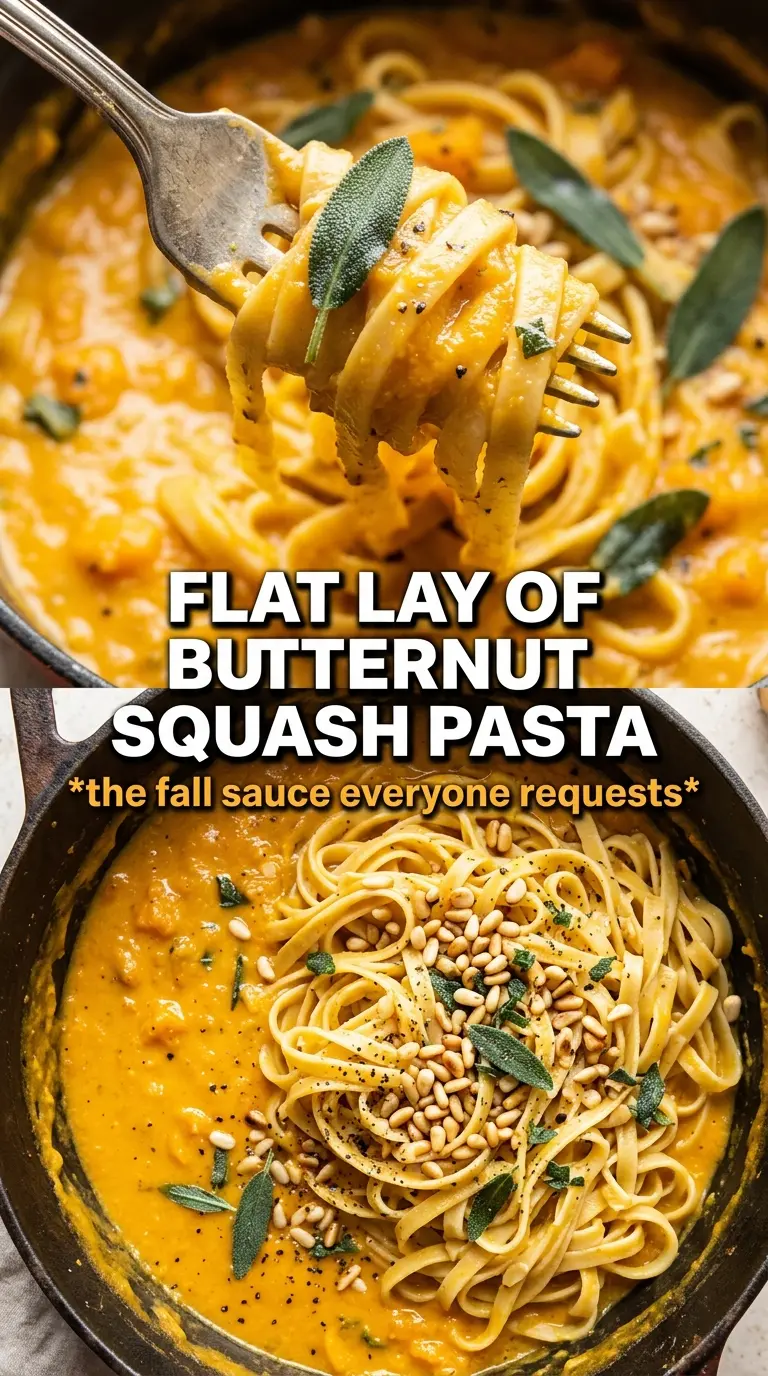
- Butternut squash — This is the base, the body, and the natural sweetness. Fresh squash gives the best flavor and the smoothest blend, but pre-cut squash works fine when you need to save time. Just cut the pieces small enough so they soften fully in the simmer.
- Onion and garlic — These build the savory backbone so the sauce doesn’t taste like sweet squash puree. Cook the onion until translucent and soft; browned onion can push the sauce toward a darker, sweeter note. Garlic goes in briefly so it stays fragrant instead of bitter.
- Vegetable or chicken broth — Broth gives the squash something to simmer in and helps create a sauce that tastes seasoned from the start. Use a good-tasting broth here because it’s a major part of the final flavor. Water will work in a pinch, but the sauce will taste flatter.
- Heavy cream — This smooths out the blended squash and gives the sauce a rounded finish. Half-and-half can work, but the sauce will be a little lighter and less plush. Don’t add it over high heat; bring it in gently so it stays smooth.
- Parmesan — Parmesan adds saltiness and depth, and it’s what keeps the sauce from tasting one-note. Grate it yourself if you can, because pre-shredded cheese often melts less cleanly. Add it gradually so it disappears into the sauce instead of turning stringy.
- Sage and nutmeg — Sage gives the sauce that classic earthy note, and nutmeg makes the squash taste warmer and more complete. Fresh sage is worth using here if you have it; dried sage can taste dusty unless you use less and cook it in the oil first. Nutmeg should stay in the background, not announce itself.
Building the Sauce So It Doesn’t Break
Softening the Onion and Blooming the Sage
Start with the olive oil, then cook the onion until it turns soft and glossy, not brown. That gives the sauce a sweeter, rounder base. Add the garlic and sage only for the last minute or two; if they stay in the heat too long, garlic can burn fast and sage can turn dull instead of aromatic.
Simmering the Squash Until It Collapses
Once the squash and broth go in, bring the pot to a boil, then lower it to a steady simmer. You want the squash to be tender enough that a spoon breaks it apart with no resistance. If the liquid cooks off too fast before the squash softens, add a splash more broth so the pot keeps steaming the cubes all the way through.
Blending to a Completely Smooth Base
Blend the mixture until it looks like a thick, even puree with no visible threads or chunks. An immersion blender is the easiest option because you can keep everything in the pot, but a countertop blender works too if you let the mixture cool slightly first and blend in batches. If the sauce seems too thick at this stage, don’t thin it with cream first; use a little pasta water later so you can control the texture more precisely.
Finishing with Cream, Parmesan, and Pasta Water
Stir in the cream, parmesan, nutmeg, and red pepper flakes, then let the sauce simmer gently for a few minutes. The sauce should thicken enough to coat a spoon, not bubble hard like a soup. Toss in the cooked pasta and use pasta water a splash at a time until the sauce turns glossy and hugs the noodles instead of pooling in the bottom of the bowl.
How to Adapt This Butternut Squash Pasta Sauce Without Losing the Good Part
Dairy-Free Version That Still Tastes Creamy
Use full-fat coconut milk or an unsweetened oat cooking cream instead of heavy cream, and swap the parmesan for a dairy-free parmesan-style cheese or nutritional yeast. Coconut milk gives the sauce a slightly sweeter edge, while oat cream stays closer to the original flavor. Keep the heat low when you add the replacement so it stays smooth.
Make It Gluten-Free Without Changing the Sauce
The sauce itself is naturally gluten-free, so the only swap you need is the pasta. Choose a gluten-free rigatoni or penne with some shape and bite so the sauce has something to cling to. Cook it just shy of fully done, since gluten-free pasta can go from firm to soft faster once it hits the sauce.
A Lighter Version With Less Cream
Cut the cream in half and use extra pasta water to loosen the sauce at the end. You’ll lose a little richness, but the squash still gives plenty of body, and the parmesan helps carry the flavor. This version tastes a bit brighter and less plush, which works well if you want the squash to stay front and center.
Storage and Reheating
- Refrigerator: Store leftovers for up to 4 days. The sauce thickens as it sits, so expect it to look a little tighter after chilling.
- Freezer: The sauce freezes well on its own for up to 2 months. Freeze it without the pasta, then thaw overnight in the fridge before reheating.
- Reheating: Warm it slowly over low heat with a splash of broth, milk, or water to loosen it back up. High heat can make the parmesan separate and turn the sauce grainy.
Questions I Get Asked About This Recipe
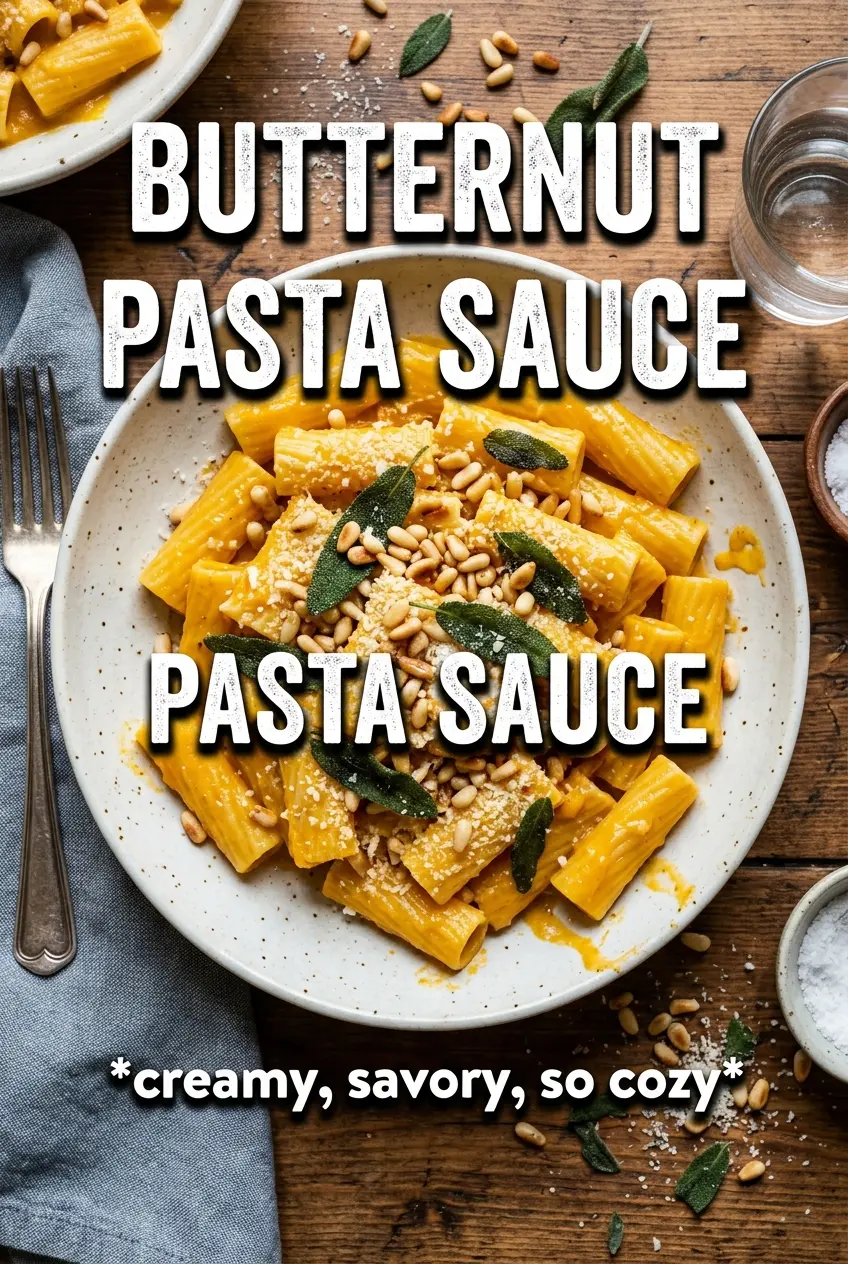
Butternut Squash Pasta Sauce
Ingredients
Equipment
Method
- Heat the olive oil in a large pot over medium heat, then sauté the onion for 5 minutes until softened and fragrant. Add the garlic and chopped sage and cook for 2 minutes, stirring so nothing browns.
- Add the butternut squash and broth to the pot and bring to a boil. Reduce to a simmer and cook for 20 minutes until the squash is very tender.
- Blend the mixture completely smooth with an immersion blender until no squash pieces remain. Stop and scrape down the sides to keep the texture silky.
- Stir in the heavy cream, parmesan, nutmeg, and red pepper flakes. Simmer for 5 minutes until hot and glossy.
- Cook the rigatoni or penne according to package directions until al dente. Keep a bit of pasta water for thinning and emulsifying.
- Toss the cooked pasta into the sauce and add pasta water as needed to help it coat smoothly. Simmer 1–2 minutes if needed so the sauce clings to the pasta.
- Season with salt and pepper to taste, then serve immediately. Adjust with a splash more pasta water if the sauce looks too thick.