Roasted Brussels sprouts and butternut squash turn this pasta into something far more satisfying than a standard weeknight bowl. The vegetables get deeply caramelized in the oven, then they land in a brown butter sauce that tastes nutty, glossy, and just rich enough to coat every ridge of the pasta. The toasted hazelnuts on top add the kind of crunch that keeps each bite interesting all the way through.
What makes this version work is the way each part is handled on its own before everything comes together. The squash needs enough space to brown instead of steam, and the Brussels sprouts should go cut-side down so the edges get crisp. Brown butter can go from fragrant to burnt fast, so the garlic and sage are added at the right moment, after the butter has already turned golden. That keeps the sauce flavorful instead of bitter.
Below you’ll find the small details that keep the vegetables caramelized, the sauce silky, and the cheese from clumping. Once you’ve made it this way, it’s hard to go back to tossing roasted vegetables into plain butter again.
The squash browned beautifully and the Brussels stayed crisp at the edges instead of turning soft. I added a splash more pasta water at the end and the brown butter sauce clung to every piece of rigatoni.
Love the caramelized Brussels sprouts, brown butter sauce, and toasted hazelnuts? Save this pasta for the nights when you want a comforting main dish with a little extra texture.
The Trick to Keeping the Vegetables Caramelized Instead of Soft
Roasted vegetables can lose their edge fast once they hit the pasta if they’ve been crowded in the pan or underbaked from the start. The fix is to give the squash and Brussels sprouts enough space to brown properly, and to roast them until the edges have color you can taste. That deep caramelization matters here because the brown butter sauce is rich and simple; it needs the vegetables to bring the sweetness and contrast.
Brussels sprouts should be cut so a flat side can touch the pan. Butternut squash needs fairly even cubes so the pieces finish at the same time instead of leaving you with mush on one tray and hard centers on another. If your vegetables look pale when they come out of the oven, they’ll disappear into the sauce instead of standing up to it.
- Roasting separately — The squash and Brussels sprouts cook best on their own trays or at least with enough room that they aren’t steaming one another. That’s the easiest way to get browned edges instead of soft, damp vegetables.
- Olive oil — A light coating helps the surfaces caramelize and keeps the vegetables from drying out. You don’t need a lot; too much oil makes them slick instead of browned.
- Rigatoni or penne — A short pasta with ridges catches the sauce and grabs the little bits of Parmesan, sage, and hazelnut. Long noodles don’t hold the roasted pieces as well.
What Each Ingredient Is Actually Doing in This Bowl
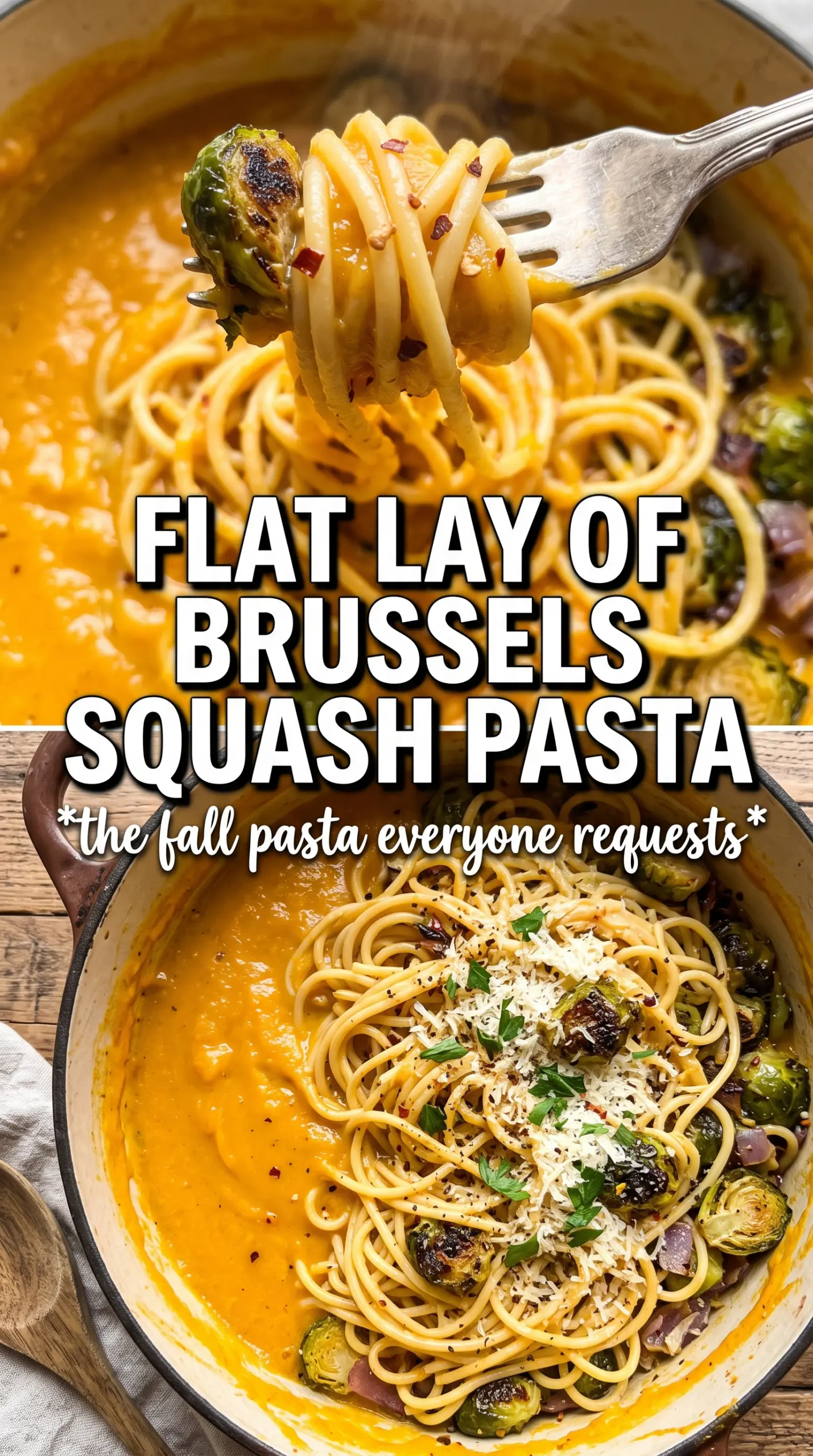
- Butternut squash — This brings sweetness and softness that balance the bite of the Brussels sprouts. Fresh squash is worth it here because pre-cut cubes often dry out unevenly, but if you use them, cut them smaller so they roast on time.
- Brussels sprouts — Their edges get crisp and a little bitter in the best way, which keeps the pasta from tasting one-note. Halving them and roasting cut-side down gives you the most browning.
- Butter, garlic, and sage — This is the sauce foundation. The butter needs to brown before the garlic goes in, or the garlic can burn and turn the whole pan harsh. Sage blooms in the hot butter and makes the dish taste finished without needing cream.
- Parmesan — It melts into the pasta water and helps turn the sauce silky. Grate it finely so it disappears into the sauce instead of clumping in shreds.
- Hazelnuts or walnuts — These are the crunch. Hazelnuts taste especially good with brown butter and sage, but walnuts work well if that’s what you have. Toast them first; raw nuts taste flat here.
Building the Brown Butter Sauce Without Letting It Break
Start With the Pasta Water Before the Butter Finishes
Cook the pasta until it’s just shy of tender, then reserve a full cup of starchy water before draining. That liquid is what loosens the brown butter into a sauce instead of leaving you with coated noodles and a greasy pan. If you forget and the pan gets too dry, the Parmesan can seize instead of melting smoothly.
Brown the Butter Slowly, Not Aggressively
Melt the butter over medium heat and keep watching for the color to shift from yellow to amber with tiny brown flecks at the bottom. You’ll smell the difference before you see it fully: nutty, almost toasted. The second the color is right, add the garlic and sage so they perfume the butter without burning in the hot fat.
Finish the Sauce With Pasta Water and Cheese
Add the pasta to the pan with a splash of pasta water and toss until the sauce looks glossy and lightly emulsified. Stir in the Parmesan off the hottest part of the burner so it melts instead of clumping. If the sauce seems tight, another small splash of water will loosen it; if it looks thin, keep tossing for a minute and it will cling.
Fold in the Roasted Vegetables Last
The squash and Brussels sprouts go in after the sauce is already built. That keeps the vegetables intact and stops the Brussels from getting dull and soft. Finish with the toasted nuts at the very end so they stay crunchy against the pasta instead of soaking up the sauce.
How to Adjust This Pasta When You Need a Different Version
Make it dairy-free
Use a good vegan butter and skip the Parmesan, then finish with a spoonful of nutritional yeast for a savory note. The sauce won’t be quite as rich, but the brown butter-style flavor still comes through if you let the vegan butter brown lightly before adding the garlic and sage.
Make it gluten-free
Use a sturdy gluten-free rigatoni or penne and cook it just to al dente, because it softens a little more once it hits the sauce. Save extra pasta water if your brand tends to drink up liquid fast; that helps the sauce cling instead of drying out.
Swap the nuts for seeds
Pumpkin seeds work well if you need a nut-free topping. Toast them in a dry skillet until they start to pop and color, then scatter them over the pasta right before serving so they keep their crunch.
Add protein without changing the balance
Crisped pancetta or sliced Italian sausage fits naturally here if you want a heartier main dish. Cook it first, then use a little of the rendered fat in place of part of the butter. That keeps the sauce savory without making it heavy.
Storage and Reheating
- Refrigerator: Store leftovers in an airtight container for up to 4 days. The pasta will absorb some sauce as it sits, so expect it to look a little less glossy the next day.
- Freezer: This freezes, but the squash softens and the Brussels lose some of their texture. If you freeze it, do it in a shallow container for up to 2 months and thaw in the refrigerator before reheating.
- Reheating: Warm it gently in a skillet with a splash of water over low heat, stirring until the sauce loosens again. Microwave reheating works in a pinch, but use short bursts and stir often so the Parmesan doesn’t turn grainy.
Answers to the Questions Worth Asking
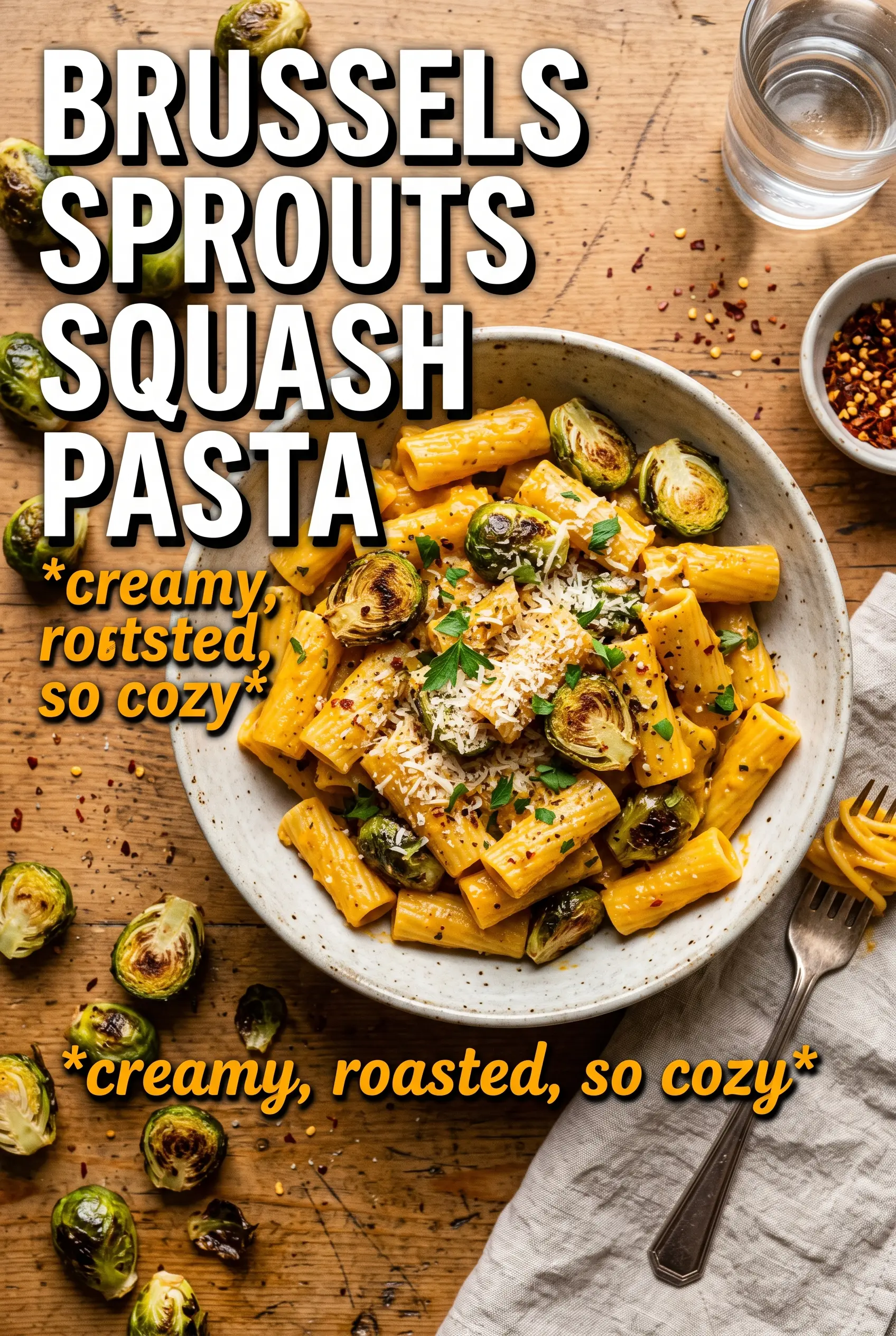
Brussels Sprouts And Butternut Squash Pasta
Ingredients
Equipment
Method
- Heat oven to 425F. Toss the butternut squash cubes with olive oil, salt, and pepper, then spread on a sheet pan.
- Roast the butternut squash at 425F for 25 minutes, stirring once halfway, until caramelized and lightly browned.
- Toss the halved Brussels sprouts with olive oil, salt, and pepper and spread on a second sheet pan.
- Roast the Brussels sprouts at 425F for 25 minutes, stirring once halfway, until caramelized and browned at the edges.
- Cook the rigatoni or penne in salted water until al dente. Reserve 1 cup pasta water before draining.
- Melt the unsalted butter in a cast iron skillet over medium heat. Cook until it turns golden and nutty, then add garlic and sage.
- Sauté garlic and sage in the browned butter for about 1-2 minutes. Stir until fragrant and the garlic is lightly golden.
- Add drained pasta to the cast iron skillet and pour in the pasta water a splash at a time. Toss until the sauce turns glossy and clings to the pasta.
- Fold in the roasted butternut squash and Brussels sprouts. Toss just until the vegetables are coated.
- Stir in the grated parmesan and season with salt and pepper to taste. Keep tossing until evenly distributed.
- Serve immediately and top with toasted hazelnuts or walnuts. Finish with a final light sprinkle of parmesan if desired.