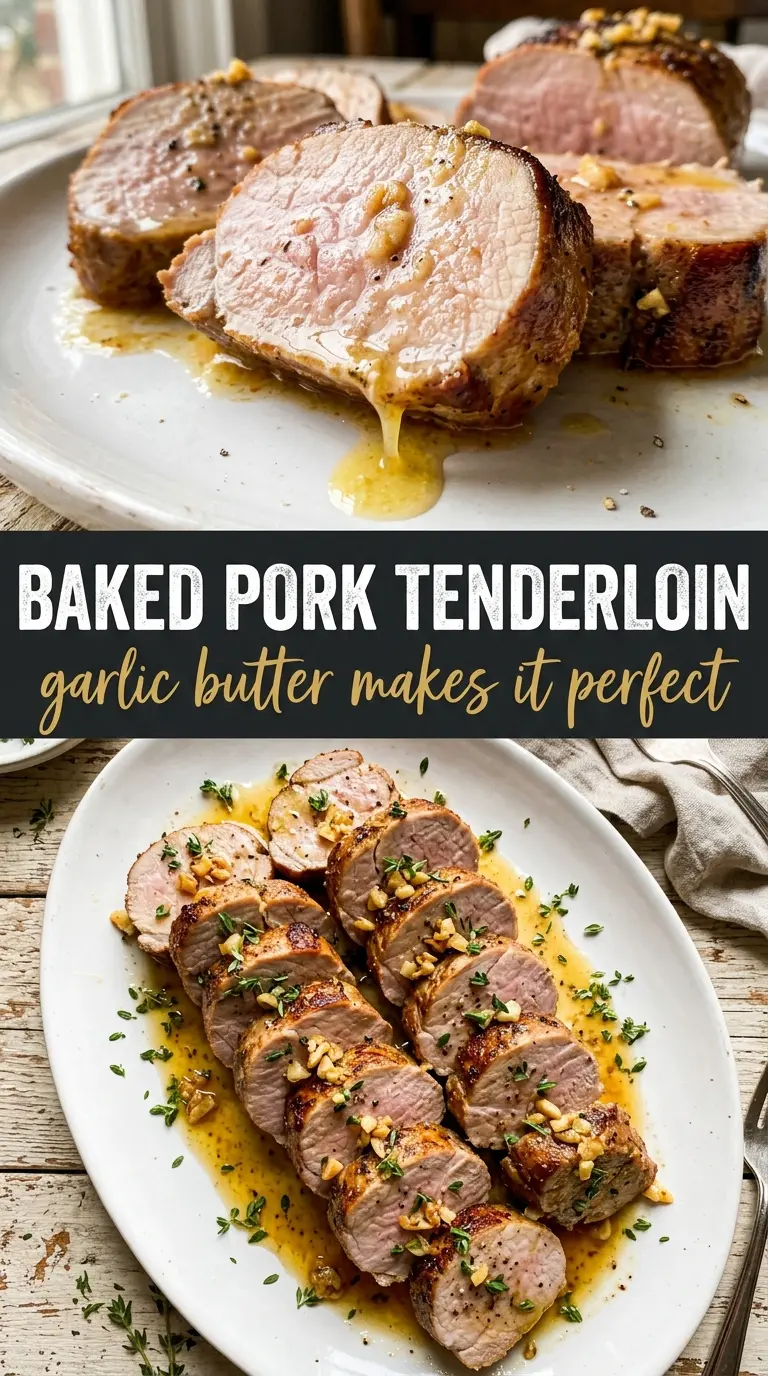
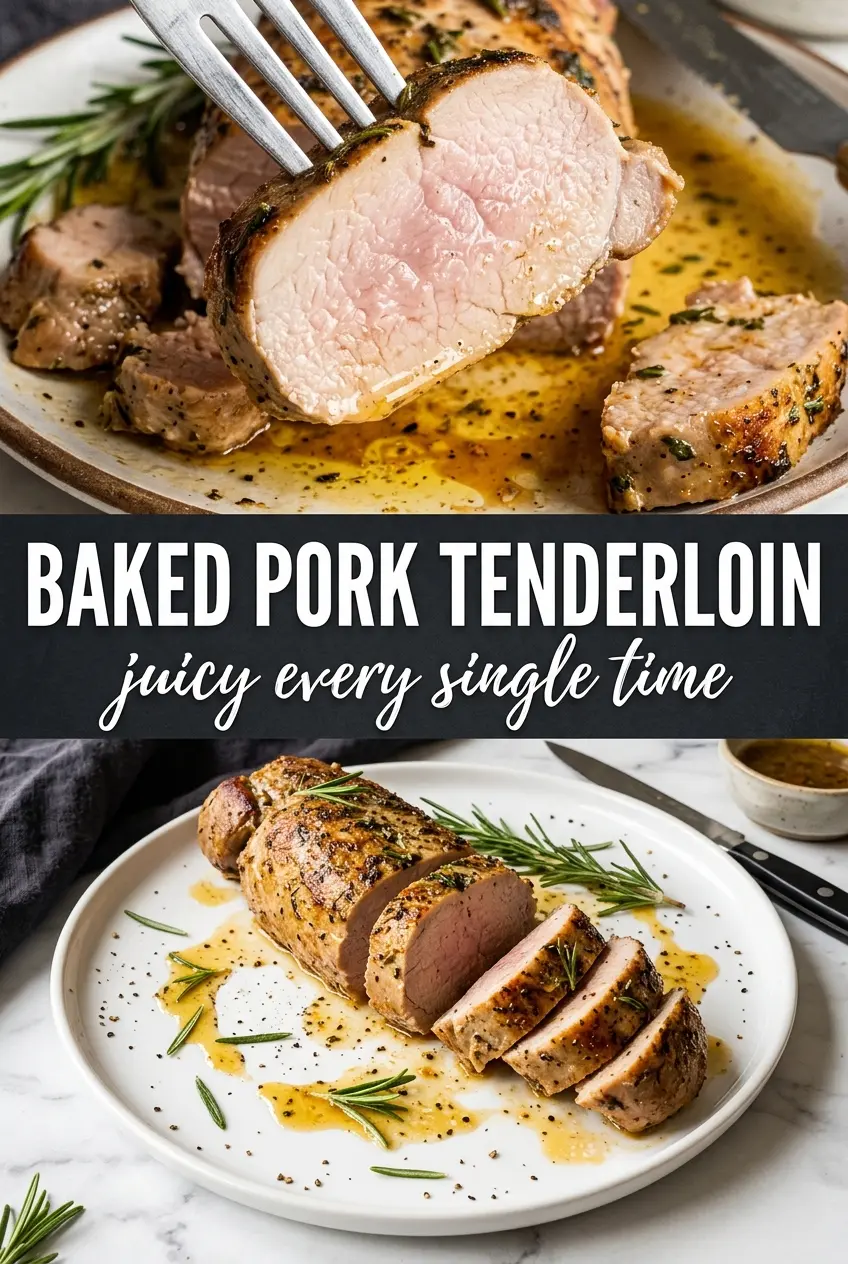
Blush-pink pork tenderloin with a golden herb crust is the kind of dinner that looks like you worked a lot harder than you did. The outside picks up a savory sear in minutes, then the oven finishes the center gently so it stays juicy instead of drying out. Slice it once it has rested and you get clean, tender pieces that hold their shape on the plate.
The trick here is treating pork tenderloin like a fast-cooking roast, not a slow braise. A hot skillet gives you the color and flavor you’d miss from baking alone, while the oven keeps the garlic and herbs from burning before the meat is done. A quick rest at the end matters more than people think; it lets the juices settle back into the meat instead of running onto the cutting board.
Below, I’ve added the small details that keep this recipe dependable, plus the swaps that still give you a good dinner if you’re missing one of the herbs.
The crust browned beautifully in the skillet, and the pork stayed juicy after the rest. I pulled it right at 145°F and it sliced perfectly without any pink-gray dryness.
Baked pork tenderloin with that golden herb crust is one to keep handy for a fast, juicy dinner that still feels special.
Save this juicy herb-crusted pork tenderloin for an easy oven-roasted dinner
The Step That Keeps Pork Tenderloin Juicy Instead of Dry
Pork tenderloin is lean, which is exactly why it goes wrong so often. People either roast it too long or skip the sear and try to rely on the oven alone. The result is usually pale meat with no crust and a dry outer layer before the center has even reached temperature. Searing first gives you flavor fast, then the oven finishes the inside before the surface overcooks.
The other piece that matters is temperature, not time. Pulling the pork at 145°F gives you tender slices that are still faintly blush-pink in the center. If you wait until it looks fully opaque all the way through, you’ve already pushed past the sweet spot.
What Each Seasoning Is Doing On The Pork
- Olive oil — This carries the spices and helps them cling to the meat. You can use another neutral oil, but olive oil gives the crust a little more richness and browning.
- Garlic — Fresh garlic brings the strongest flavor here, but it can burn if the pieces are too large. Mince it finely so it blends into the rub instead of sitting on the surface in chunks.
- Smoked paprika — This adds a warm, roasted note that makes the crust taste deeper than a basic salt-and-pepper roast. Regular paprika works in a pinch, but you’ll lose some of that subtle smokiness.
- Thyme and rosemary — These herbs give the pork its savory, classic roasted flavor. Dried herbs work well here because they hold up to the heat; if you use fresh, chop them finely so they don’t scorch on the skillet.
- Onion powder — It fills in the background and rounds out the rub without adding moisture. Don’t swap in onion salt unless you cut back on the added salt.
From Sear To Slice Without Losing The Juices
Drying and Seasoning the Pork
Pat the tenderloins dry before anything else. That step helps the surface brown instead of steaming in the pan. Mix the oil, garlic, paprika, thyme, rosemary, onion powder, salt, and pepper into a paste, then rub it over every side. If the pork feels slippery instead of coated, there’s too much oil and not enough spice; the rub should cling like a thin layer, not drip off.
Getting the Sear Without Burning the Garlic
Heat the skillet until it’s hot enough that the pork sizzles the second it touches the pan. Two minutes per side is enough to build color, and you’re looking for a deep golden crust, not a dark burn. If the garlic starts turning black right away, the pan is too hot or the coating is too thick. Keep the sear quick and confident, then move on.
Roasting to 145°F
Slide the skillet straight into the oven and roast until the thickest part reaches 145°F. Start checking early, around the 18-minute mark, because tenderloin can go from perfect to dry fast. The best visual cue is a firm but still springy feel when pressed with tongs. If you don’t have an instant-read thermometer, get one for this recipe; guessing is where tenderloin gets ruined.
Resting Before You Cut
Let the pork rest for 5 minutes before slicing. The juices need that pause to settle, or they’ll spill out the moment your knife goes in. Slice against the grain for the most tender pieces. If you cut too soon, the center can look fine but eat dry because the juices are still racing out onto the board.
How To Adapt This Pork Tenderloin For Different Dinners
Dairy-Free And Naturally Gluten-Free
This recipe already fits both of those needs as written. Keep the spice rub simple and avoid adding a bottled marinade that sneaks in soy sauce or thickeners. The pork stays just as juicy without any dairy at all.
Using Fresh Herbs Instead Of Dried
Fresh rosemary and thyme work well if that’s what you have, but chop them finely so they don’t burn in the skillet. Use about three times as much fresh herb as dried. The flavor will be brighter and a little less woodsy.
Making It For A Larger Crowd
Double the recipe with two skillets or roast the tenderloins on a sheet pan after searing them in batches. Don’t crowd them in one pan during the oven time, or they’ll steam instead of browning. The cook time may only stretch a few minutes, so rely on temperature, not the clock.
Swapping In A Different Cut
Pork loin roast is not a straight swap here because it’s larger and takes longer to cook through. If that’s what you have, use the same seasoning, but expect a longer oven time and a lower-and-slower finish. Tenderloin is the cut that gives you the quick, juicy result this recipe is built for.
Storage and Reheating
- Refrigerator: Store sliced pork in an airtight container for up to 4 days. It stays tender, though the crust softens a bit.
- Freezer: Freezes well for up to 2 months if wrapped tightly and cooled first. Slice before freezing for easier portions.
- Reheating: Warm it gently in a covered skillet with a splash of broth or water over low heat. High heat dries out tenderloin fast, so skip the microwave if you want the texture to stay close to the original.
Questions I Get Asked About This Recipe
Baked Pork Tenderloin
Ingredients
Equipment
Method
- Preheat the oven to 425°F.
- Pat the pork tenderloins dry, then mix olive oil with minced garlic, smoked paprika, thyme, dried rosemary, onion powder, salt, and black pepper.
- Rub the herb mixture all over both tenderloins.
- Heat an oven-safe skillet over medium-high heat and sear the tenderloins 2 minutes per side until golden all over.
- Transfer the skillet to the oven and roast 18–22 minutes until the internal temperature reaches 145°F.
- Rest the pork tenderloins for 5 minutes before slicing.
- Garnish with fresh rosemary and serve.