Autumn pearl couscous salad has the kind of balance that keeps a side dish from fading into the background. The couscous stays pleasantly chewy, the roasted squash turns sweet and caramelized, and the goat cheese gives every bite a creamy bite of tang. A little maple balsamic dressing pulls the whole bowl together without weighing it down, so the greens stay fresh and the cranberries still taste bright.
What makes this version work is timing and texture. Pearl couscous needs to be cooked first and cooled before it hits the bowl, or it can steam the arugula and dull the salad. The squash should go into the oven until the edges are browned, not just soft; that caramelization gives the salad its depth. Toasted pecans and pumpkin seeds matter too, because raw nuts taste flat next to the sweet dressing and roasted vegetables.
Below you’ll find the small details that keep the salad from turning soggy, plus a few useful swaps if you’re working with what you already have. It comes together fast, but it tastes like you put real thought into it.
The couscous stayed fluffy, the squash browned beautifully, and the maple balsamic tied everything together without making the greens wilt. I brought it to a potluck and came home with an empty bowl.
Save this autumn pearl couscous salad for a crisp, colorful side dish with roasted squash, goat cheese, and maple balsamic dressing.
The Trick to Keeping Pearl Couscous Salad Bright Instead of Watery
The biggest mistake with a grain salad like this is adding warm couscous to the bowl and expecting the greens to hold up. They won’t. Warm couscous steams the arugula, softens the cranberries, and makes the goat cheese melt into streaks instead of staying in little creamy pockets. Cooling the couscous to room temperature keeps every element distinct.
The other thing that matters is how you dress it. Maple balsamic should coat the ingredients, not pool at the bottom. If the salad looks heavy or glossy, you’ve added too much at once; toss, wait a minute, then decide if it needs the last spoonful. That pause keeps the couscous from soaking up more dressing than it can handle.
What Each Ingredient Is Actually Doing in the Bowl
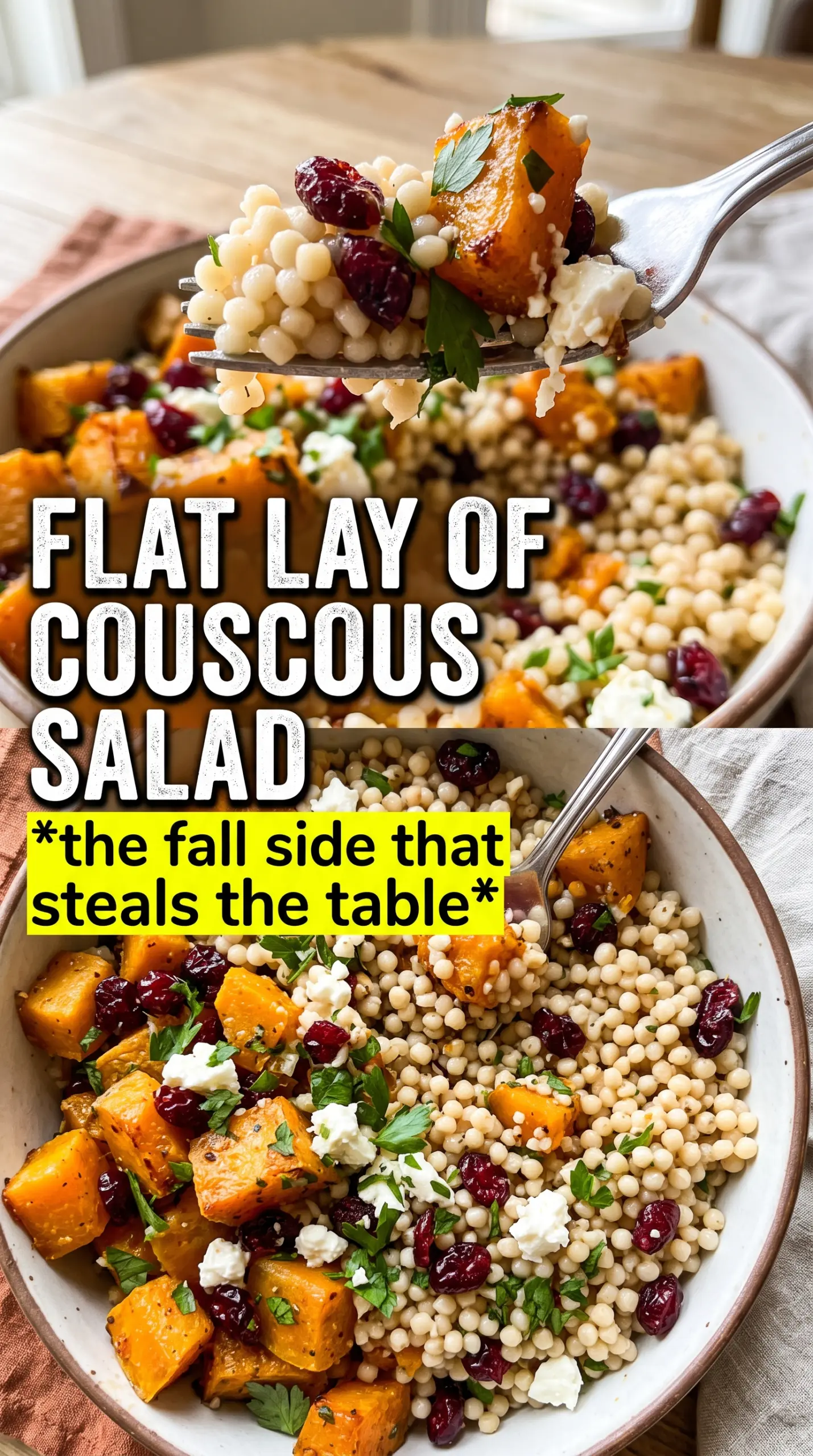
- Pearl couscous — This is the backbone of the salad. The larger pearls stay chewy and substantial after tossing, which is why regular couscous won’t give the same bite. Cook it until tender but not mushy, then spread it out so it cools instead of clumping.
- Butternut squash — Roasting brings out the sweetness that balances the balsamic and cranberries. Frozen squash can work in a pinch, but fresh cubes brown better and hold their shape. If the pieces are too small, they soften too fast and disappear into the bowl.
- Arugula or mixed greens — Arugula adds peppery sharpness that keeps the salad from tasting sugary. Mixed greens are a softer swap if you want a milder result, but they won’t bring the same bite. Add the greens last so they stay crisp.
- Goat cheese — The tangy creaminess is what makes the salad feel finished. Feta will give you a saltier, firmer result if that’s what you have, but goat cheese melts into the dressing just enough to round everything out.
- Pecans and pumpkin seeds — Toasting them matters. It wakes up the nutty flavor and keeps them crunchy against the soft squash and couscous. Raw nuts can taste dusty here, especially once the dressing goes on.
- Maple balsamic dressing — The maple softens the vinegar and helps the whole salad lean autumnal instead of sharp. Dijon isn’t there for flavor alone; it helps emulsify the dressing so it clings instead of sliding off the couscous.
Building the Salad So the Texture Stays Right
Cook and Cool the Couscous First
Cook the pearl couscous according to the package directions, then drain it well and spread it on a tray or wide plate. That quick cooling step matters because trapped steam makes the pearls gummy. If you toss them in while they’re still hot, they soften the greens before you even get to the table.
Roast the Squash Until the Edges Brown
Roast the butternut squash at 425°F until you see browned edges and the centers are tender when pierced. Pale squash tastes flat here; caramelized squash gives the salad its depth. If the pieces crowd the pan, they’ll steam instead of roast, so use a second pan if needed.
Dress Lightly, Then Finish With the Crunch
Combine the couscous, squash, greens, cranberries, and pecans before adding the dressing, then toss gently so the pearls don’t break down. Add the goat cheese and pumpkin seeds at the end so they stay visible and textured. If the salad needs more brightness, add a small splash of balsamic rather than drowning it in extra dressing.
Three Smart Ways to Adapt This Autumn Couscous Salad
Make It Dairy-Free
Leave out the goat cheese and add a few extra pumpkin seeds or chopped toasted almonds for richness. The salad becomes a little less creamy but still has enough contrast from the squash, cranberries, and dressing to feel complete.
Swap the Couscous for a Gluten-Free Grain
Quinoa works best if you need a gluten-free version. It gives you a lighter, fluffier salad with less chew, so keep the dressing balanced and don’t overmix or it can turn pasty.
Turn It Into a Heartier Main Dish
Add chickpeas or shredded rotisserie chicken if you want this to eat like lunch instead of a side. Chickpeas keep it vegetarian and absorb the dressing nicely, while chicken makes the salad feel more substantial without changing the flavor balance.
Storage and Reheating
- Refrigerator: Store for up to 3 days in an airtight container. The greens will soften a bit, but the couscous and squash hold up well.
- Freezer: I don’t recommend freezing this salad. The greens wilt, the cheese changes texture, and the dressing separates once thawed.
- Reheating: This salad is best served chilled or at room temperature. If you want to take the edge off leftovers, warm the couscous and squash gently, then add the greens, cheese, and nuts after the heat is off so nothing turns limp.
Questions I Get Asked About This Recipe
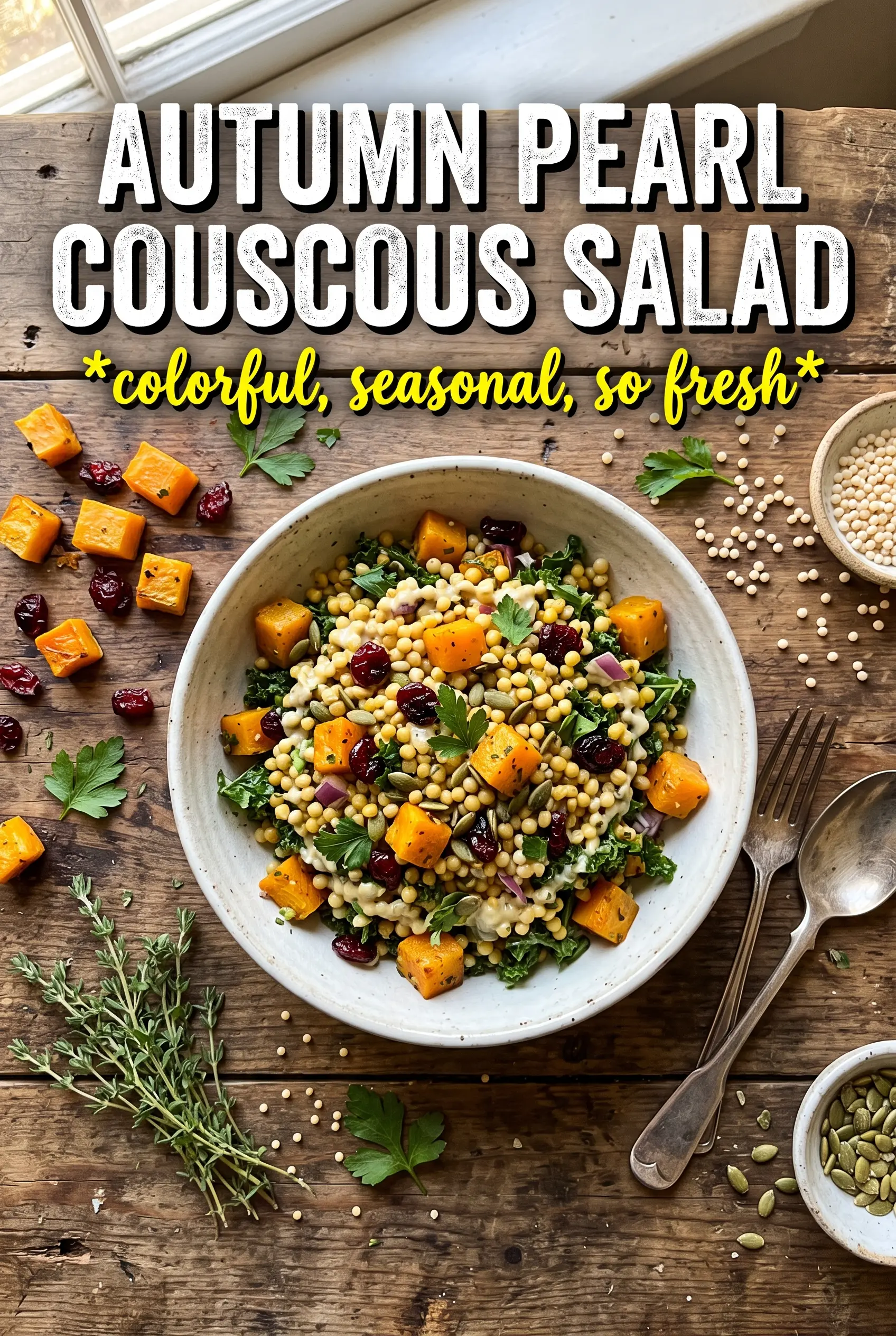
Autumn Pearl Couscous Salad
Ingredients
Equipment
Method
- Cook the pearl couscous per package directions, then cool to room temperature before assembling. This prevents wilting when you add the greens.
- Roast the cubed butternut squash at 425F with olive oil, salt, and pepper for 25 minutes, until golden. Spread on a sheet pan for even browning.
- Whisk the olive oil, balsamic vinegar, maple syrup, and Dijon until emulsified. Season with salt and black pepper to taste.
- Combine the cooled couscous, roasted squash, arugula (or mixed greens), cranberries, and pecans in a large bowl. Toss gently to distribute everything evenly.
- Drizzle the dressing over the salad and toss gently until lightly coated. Top with goat cheese and pumpkin seeds right before serving for the best texture.