Apple cider cake lands with the kind of tender crumb and warm spice that makes a second slice feel inevitable. The reduced cider gives the cake a deeper apple flavor than plain juice ever could, and the sour cream keeps the layers soft enough to stay moist for days. With cream cheese frosting between the layers and a caramel drizzle on top, it tastes like the best parts of an orchard dessert without turning heavy.
What makes this version worth baking is the cider reduction. Boiling it down concentrates the apple flavor before it ever hits the batter, so the cake doesn’t just taste sweet and spiced; it tastes like apple cider all the way through. Creaming the butter and brown sugar until the mixture is pale and fluffy gives the layers lift, and alternating the dry ingredients with the sour cream keeps the batter smooth instead of overmixed.
Below, I’ve included the one thing that matters most when building this cake, plus a few smart swaps if you need to adjust the frosting or make it ahead. If you’ve ever had cider cake that baked up flat or bland, this method fixes both problems.
The cider reduction made the flavor pop, and the layers stayed soft even after chilling overnight. The frosting was tangy without being too sweet, and the caramel drizzle soaked into the edges just enough.
Save this apple cider cake for the bake when you want soft spiced layers, tangy frosting, and a glossy caramel finish.
The Cider Reduction That Keeps the Cake from Tasting Flat
Most apple cider cakes rely on raw cider alone, and that’s where they lose the flavor battle. Apple cider is mostly water, so if you pour it straight into the batter, the taste gets diluted and the cake can bake up soft but forgettable. Reducing it by half concentrates the apple flavor and adds a little syrupy body, which helps the crumb taste fuller without making the batter heavy.
The other thing that matters here is mixing order. Once the butter and brown sugar are whipped until fluffy, add the eggs one at a time so the batter stays smooth. If the mixture looks a little curdled after the cider goes in, don’t panic; it usually comes back together when the flour and sour cream are added. The goal is a batter that looks thick, glossy, and evenly spiced, not overworked.
What Each Ingredient Is Actually Doing in This Cake
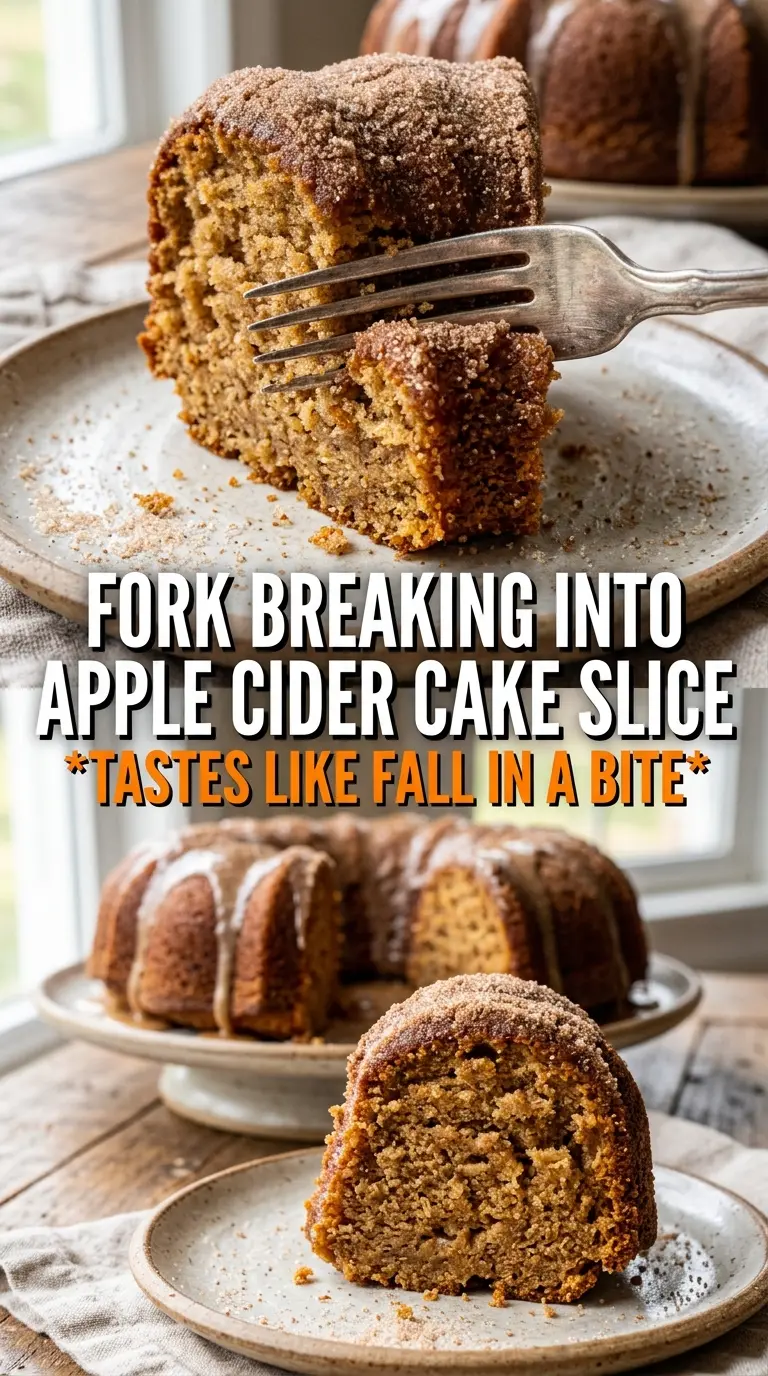
- Apple cider — Reducing the cider is non-negotiable if you want real apple flavor. Cider gives the cake its signature taste, and the reduction keeps that flavor from disappearing into the batter. Use good bottled cider here if you can; it doesn’t need to be fancy, but it should taste like apples, not just sweetness.
- Brown sugar — This does more than sweeten the cake. It brings moisture and a deeper, almost molasses-like note that fits the spices and the cider. Dark brown sugar will give you a little more richness, while light brown sugar keeps the flavor cleaner.
- Sour cream — This is what keeps the layers tender. It adds fat and acidity, which softens the crumb and helps the baking soda do its job. Plain full-fat Greek yogurt works in a pinch, but the texture will be slightly firmer and a touch less plush.
- Cream cheese frosting — The tang balances the sweet cake and the caramel drizzle. Let the cream cheese and butter soften fully before beating them, or the frosting will stay lumpy no matter how long you mix it. If your kitchen is warm, chill the frosting briefly before assembling so the layers don’t slide.
Building the Layers Without Overmixing the Batter
Start with the cider reduction
Pour the apple cider into a small saucepan and simmer it until you have 1/2 cup. It should smell concentrated and a little syrupy, not burned or dark brown. Cool it before adding it to the batter, because hot cider can melt the butter and change the texture of the cake.
Cream the butter and sugar until it looks lighter
Beat the softened butter and brown sugar until the mixture turns pale and fluffy, with no gritty streaks at the bottom of the bowl. That step traps air, which gives the layers some lift before they even hit the oven. If the butter is too cold, the mixture stays dense and heavy instead of aerated.
Alternate the dry ingredients and sour cream
Add the flour mixture in portions, alternating with the sour cream, and mix only until the batter disappears. This keeps the gluten from tightening up and stops the cake from turning tough. The batter will be thick, and that’s what you want for neat, even layers that bake up with a soft crumb.
Watch for the clean center and springy edges
Bake until the cakes pull slightly from the sides of the pans and the centers spring back when touched. A toothpick should come out with a few moist crumbs, not wet batter. Cool the layers completely before frosting, or the cream cheese frosting will melt and slide right off.
Three Ways to Make This Apple Cider Cake Fit the Table
Gluten-Free Version
Swap in a 1:1 gluten-free baking flour that already contains xanthan gum. The cake will still be tender, but it may bake a few minutes faster and won’t brown quite as deeply. Let the batter rest for 10 minutes before baking so the flour hydrates evenly.
Dairy-Free Adaptation
Use a plant-based butter for the cake and frosting, and replace the sour cream with thick dairy-free yogurt. The crumb stays soft, but the frosting will be a little less tangy and may need extra powdered sugar to hold its shape. Choose a butter substitute with a neutral flavor so it doesn’t fight the cider.
Turn It Into a Single-Layer Cake
Bake the batter in a 9×13-inch pan instead of two round pans and start checking a little earlier. You’ll lose the stacked-frosted look, but you gain easier slicing and a cake that’s perfect for casual serving. The caramel drizzle still belongs on top; it sinks into the surface and makes every piece taste finished.
Make-Ahead Storage
Store the frosted cake covered in the refrigerator for up to 4 days. It freezes best as unfrosted layers wrapped tightly in plastic and foil for up to 2 months; thaw them in the fridge before frosting. For serving, let chilled slices sit at room temperature for 20 to 30 minutes so the frosting softens and the cake loses its cold, dense bite.
Questions I Get Asked About This Recipe
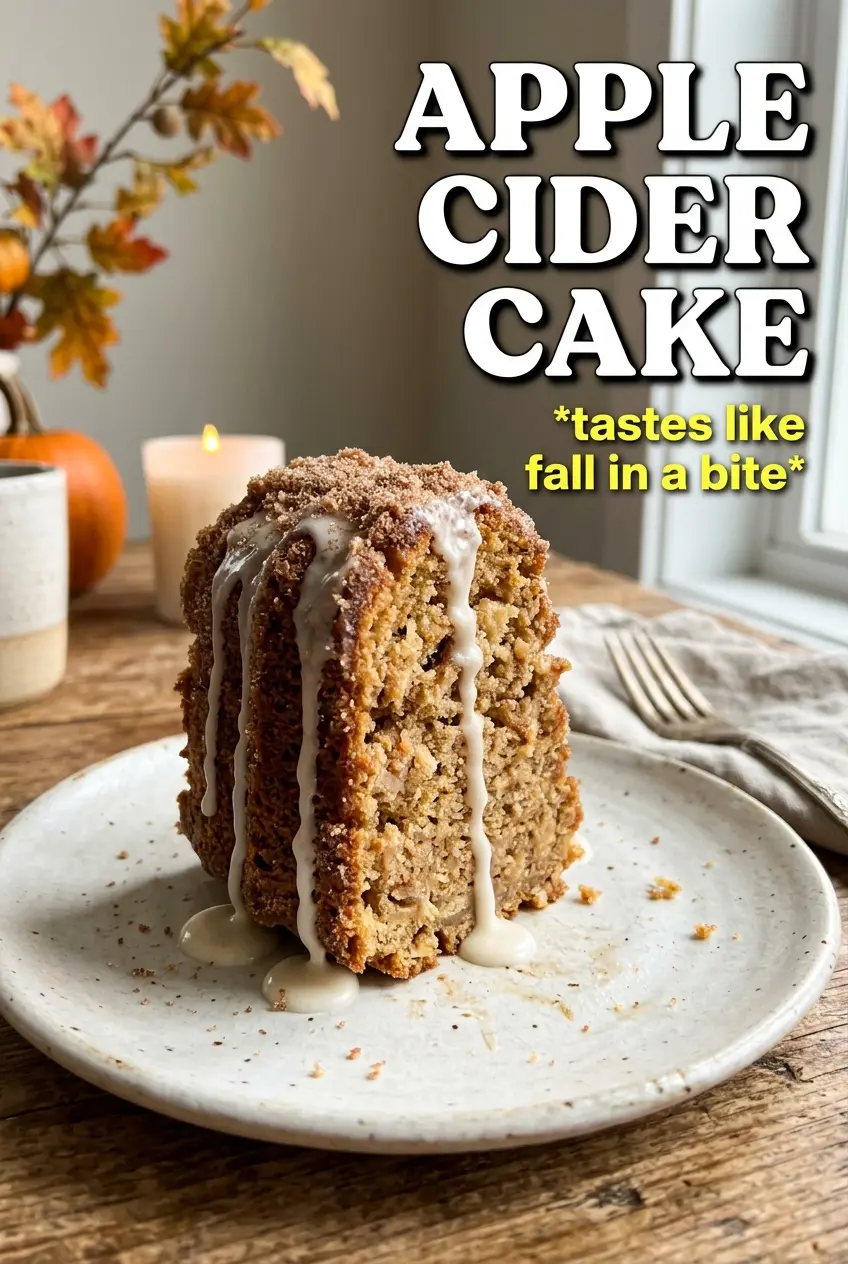
Apple Cider Cake
Ingredients
Equipment
Method
- Reduce the apple cider to 1/2 cup and cool, so it won’t scramble the batter. Chill it briefly if needed until room temperature.
- Preheat the oven to 350F and grease two 9-inch pans. Lightly dust or line if you usually need extra release.
- Whisk together flour, baking powder, baking soda, cinnamon, nutmeg, allspice, and salt. Whisk until the spices are evenly dispersed.
- Beat the softened butter and packed brown sugar until very fluffy, about 2–3 minutes. Add the eggs one at a time and mix just until combined.
- Add vanilla and mix, then pour in the reduced cider. Mix until the batter looks smooth and cohesive.
- Alternate adding the flour mixture and sour cream to the batter, beginning and ending with flour. Stir just enough to incorporate so the cake stays tender.
- Divide the batter between the two prepared pans. Tap each pan gently on the counter to level the tops.
- Bake at 350F for 35–40 minutes, until a toothpick comes out clean or with a few moist crumbs. Rotate the pans once at about 20 minutes for even browning.
- Cool the cakes completely in the pans before frosting. This prevents frosting from melting and sliding.
- Beat the cream cheese until smooth, then add butter and beat again until creamy. Add powdered sugar gradually and mix until fluffy.
- Mix in vanilla and 2 tablespoons cider until the frosting holds a thick, spreadable texture. If it’s too stiff, beat in a tiny splash of cider.
- Frost and stack the cooled layers, spreading frosting between them and over the sides. Use a flat spatula to smooth the surface.
- Drizzle caramel down the sides of the stacked cake, letting it cascade naturally. Add extra drizzles on top for a layered, glossy look.