4 Ingredient Potato Soup lands in that sweet spot between bare-bones and comforting. It turns a few pantry staples into a bowl that tastes like you put in a lot more effort than you did, with tender potato chunks suspended in a creamy broth and just enough richness to feel complete. The best part is the texture: part smooth, part chunky, with the kind of spoon-coating body that makes you want to go back for another bite before you’ve even finished the first bowl.
This version works because the potatoes simmer directly in broth, which seasons them from the inside out instead of leaving them bland and needing extra salt at the end. The cream of chicken soup brings thickness and savory depth, while sour cream adds tang and keeps the soup from tasting flat or heavy. Mashing only some of the potatoes gives you a naturally thick finish without needing flour, cornstarch, or a roux.
Below, I’ll show you exactly how to get that creamy-but-chunky texture right every time, plus a few smart variations if you want to make it work with what’s in your kitchen.
I loved how the potatoes softened enough to thicken the soup on their own, and leaving a few chunks made it feel hearty instead of mushy. The sour cream gave it a nice tang, and it reheated beautifully the next day.
Save this creamy 4 Ingredient Potato Soup for nights when you want a hearty bowl with almost no chopping and even less fuss.
The Part That Keeps This Soup Thick Instead of Watery
The biggest mistake with potato soup is treating the potatoes like a garnish instead of the base of the texture. If you undercook them, they won’t mash into the broth and the soup stays thin. If you puree everything, you lose the rustic, spoonable feel that makes this version satisfying. The sweet spot is tender potatoes that break down easily when pressed but still leave a few soft pieces behind.
Another thing that matters here is heat control once the sour cream goes in. High heat can make dairy look grainy or separated, especially in a soup that’s already heavy with starch. Pull the pot down to low, stir gently, and let the sour cream melt in gradually so the soup stays smooth.
- Russet potatoes — These break down beautifully and give the soup its body. Yukon Golds will work, but the soup will stay a little silkier and less fluffy.
- Cream of chicken soup — This is doing the heavy lifting for both seasoning and thickness. I wouldn’t swap it for plain milk unless you’re ready to build flavor another way.
- Chicken broth — Use a broth you’d actually taste on its own. If yours is salty, hold off on extra seasoning until the very end.
- Sour cream — Full-fat sour cream gives the cleanest tang and the most stable finish. Light sour cream can work, but it’s more likely to thin the soup a bit.
What Each Ingredient Is Actually Doing in This Recipe
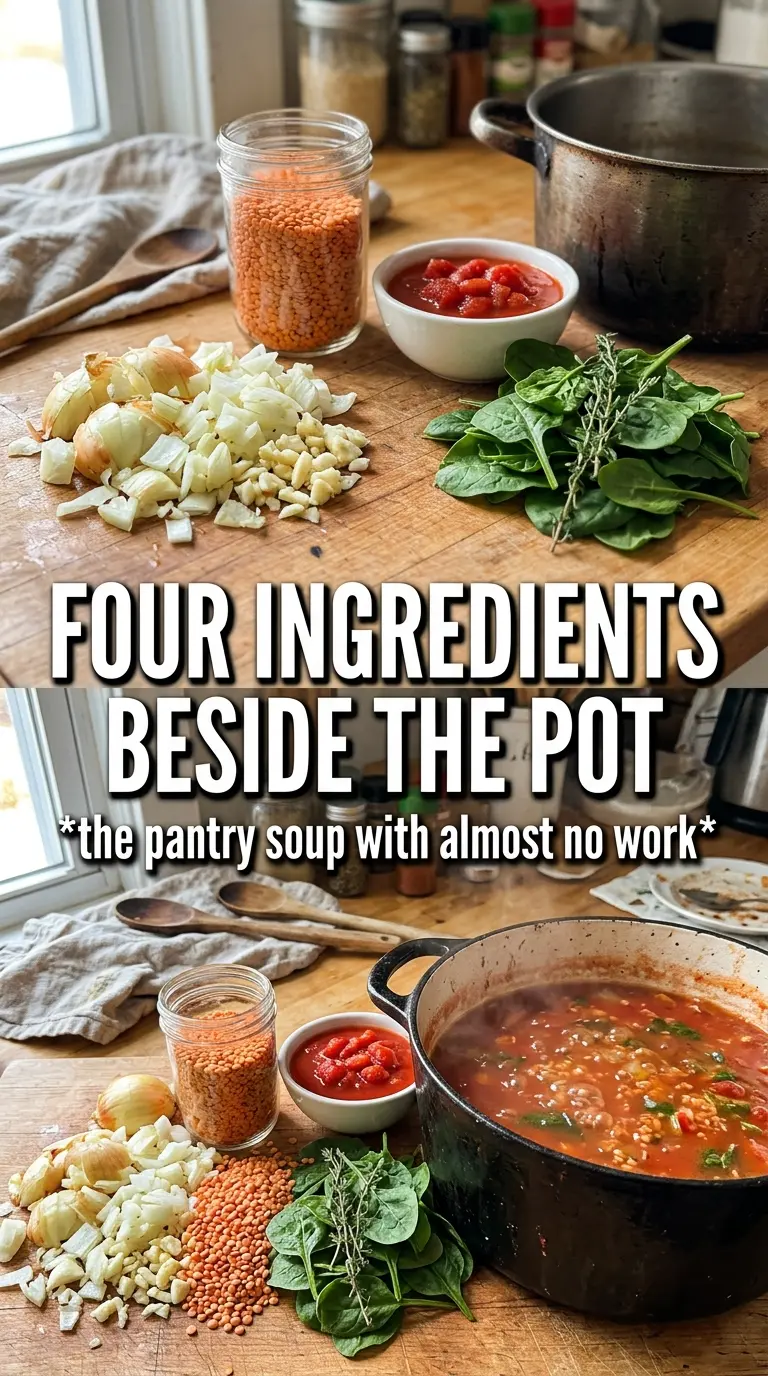
- Primary ingredient (the star) — Quality matters most. Choose the best you can find.
- Cooking medium (oil, butter, or broth) — This carries flavors and prevents dryness.
- Seasonings (salt, pepper, spices, herbs) — Layer flavors so nothing overpowers. Build depth gradually.
- Aromatics (garlic, onion, herbs) — Cook with fat to bloom flavors. Become the foundation.
- Supporting ingredients — Complement the main ingredient without overpowering it.
- Sauce or liquid (if applicable) — Brings flavors together. Balance richness with acid.
- Acid (lemon, vinegar, wine, or other) — Brightens and prevents flat-tasting results.
- Final finish (garnish, glaze, or sauce) — Prevents one-dimensional taste and adds visual appeal.
What Happens During the Simmer, Mash, and Finish
Cooking the Potatoes Until They Collapse Easily
Start the potatoes in cold broth and bring everything up together. That helps the potatoes cook evenly instead of turning soft on the outside while staying firm in the middle. You’re looking for a simmer, not a hard boil, once the pot gets going. If the heat is too aggressive, the broth can reduce too fast before the potatoes are tender.
Mashing Just Enough for Body
When the potatoes are very tender, mash most of them right in the pot with a potato masher or the back of a spoon. Leave some chunks behind so the soup has texture and doesn’t turn pasty. If you want a thicker finish, mash a little more; if you want a chunkier bowl, stop earlier. The soup should look naturally thickened, not whipped.
Melting in the Cream and Sour Cream
Stir in the cream of chicken soup first until it disappears into the potatoes and broth. Then lower the heat before adding the sour cream, or the dairy can separate and leave you with a grainy texture. Stir until the soup looks smooth and glossy, then taste it. The broth and canned soup may provide enough salt on their own, so season only if it needs it.
Make It Meatless
Swap the chicken broth for vegetable broth and use cream of mushroom or cream of celery instead of cream of chicken. You’ll lose a little savory depth, but the soup stays creamy and satisfying, especially with cheddar and green onions on top.
A Lighter Bowl
You can use reduced-fat sour cream, but expect a slightly thinner finish and a less rich taste. If you go this route, mash a few extra potatoes so the soup still feels substantial.
Turn It Into a Heartier Dinner
Stir in cooked bacon, diced ham, or shredded rotisserie chicken after the soup is finished. Add them at the end so the meat stays tender and the potatoes don’t overcook while you wait for the add-ins to heat through.
Storage and Reheating
- Refrigerator: Store for up to 4 days. It will thicken as it chills, which is normal.
- Freezer: It freezes, but dairy-based potato soup can turn a little grainy after thawing. For best texture, freeze before adding the sour cream, then stir it in after reheating.
- Reheating: Warm it slowly on the stove over low heat with a splash of broth or milk to loosen it. Don’t boil it, or the sour cream can separate and the potatoes can turn gluey.
Answers to the Questions Worth Asking

4 Ingredient Potato Soup
Ingredients
Equipment
Method
- Add cubed potatoes and chicken broth to a large pot and bring to a boil. Watch for steady bubbling across the surface.
- Reduce heat to a gentle simmer and cook for 18-20 minutes, stirring once or twice. The potatoes should be very tender when pierced with a fork.
- Mash most of the potatoes right in the pot and leave some chunks for texture. Keep a few pieces visible so the soup isn’t fully smooth.
- Stir in the cream of chicken soup until fully incorporated. Mix until no streaks remain.
- Reduce heat to low and stir in the sour cream until smooth and heated through. Do not bring it back to a boil—keep it gently warm.
- Season with salt and pepper if needed. Taste and adjust in small pinches.
- Ladle the soup into bowls and top with shredded cheddar, green onions, and bacon bits if desired. Serve immediately while hot.