Thick, glossy cranberry sauce earns its place on the table when it lands somewhere between tart and jammy, with bright berry flavor and just enough sweetness to pull everything together. The best version doesn't taste like canned jelly and it doesn't need extra pectin, orange, or spice to feel complete. It sets into that spoonable, ruby-red texture that clings to turkey, biscuits, toast, and leftovers the next day.
The trick is starting with a full boil so the sugar dissolves completely before the cranberries go in. Once the berries hit the pot, they burst, release their natural pectin, and turn the liquid into a sauce that thickens as it cools. If you pull it off the heat too soon, it stays thin; if you cook it too hard for too long, the berries can break down past the point of that nice, jammy finish.
Below, you'll find the detail that matters most: how to know when cranberry sauce is done even though it still looks loose in the pan, plus a few ways to adjust the sweetness without losing the texture that makes this recipe work.
The sauce thickened up beautifully as it cooled, and the berries kept just enough texture instead of turning into puree. I made it the night before and it was perfect by dinner.
Save this 3 Ingredient Cranberry Sauce for a thick, jammy side that sets up as it cools.
The part that keeps cranberry sauce from staying watery
The mistake most people make is judging cranberry sauce while it's still hot. It always looks looser in the pan than it will in the fridge because cranberries release pectin as they burst, and that pectin needs time to set. If you stop cooking the moment every berry pops, you'll have a thin sauce that never quite lands where you want it.
Boiling the sugar and water first matters more than it sounds. It gives you a clean, evenly sweetened base so the cranberries can break down without a grainy or uneven finish. The simmer after that should be active but controlled: enough heat to burst the berries, not so much that the bottom catches before the sauce thickens.
- Bring the sugar and water to a full boil first — this dissolves the sugar completely and keeps the finished sauce smooth.
- Let the berries burst on their own — pressing or mashing too early can make the texture muddy instead of jammy.
- Cool it completely before judging thickness — the sauce tightens a lot as it comes down to room temperature and then chills.
What the three ingredients are each doing here
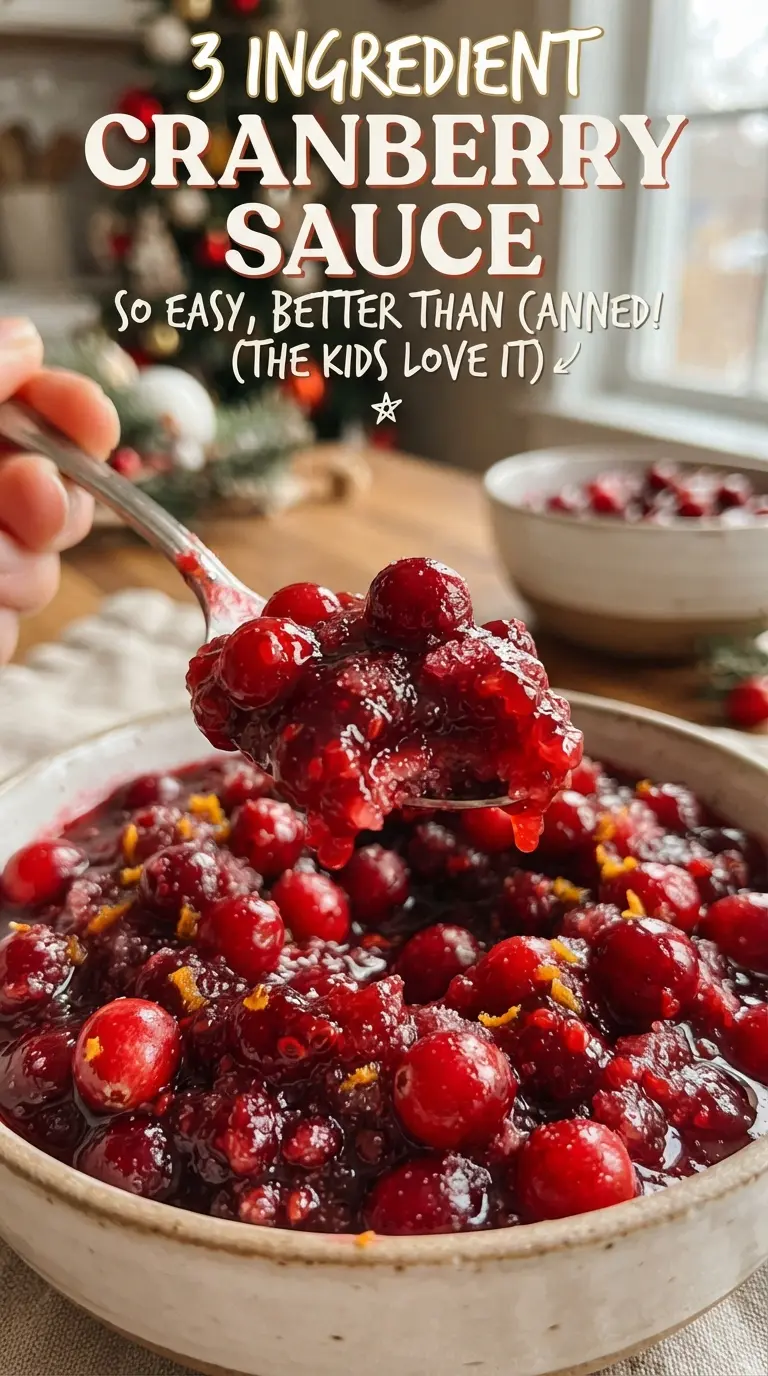
Each ingredient has a job that's harder to replace than it looks. Cranberries bring the acid, the color, and the natural pectin that helps the sauce set. Granulated sugar balances the sharpness and supports that syrupy sheen; swap it for another sweetener and you'll change both flavor and texture. Water may seem basic, but it gives the sugar enough room to dissolve before the berries go in, which keeps the sauce clean instead of sticky.
- Fresh cranberries — Use fresh or frozen without thawing. Frozen berries work well here, but they can add a minute or two to the simmer.
- Granulated sugar — This is the safest choice for a clear, glossy sauce. Honey or maple syrup will work in a pinch, but they soften the tart edge and make the flavor less classic.
- Water — Don't reduce it at the start. That extra liquid is what lets the sauce cook evenly before it tightens up.
How to get the sauce from bright and thin to thick and glossy
Dissolving the sugar first
Start by boiling the sugar and water together until the liquid looks clear and the sugar is gone. If you skip this and dump everything in at once, you can end up with a gritty base or crystals clinging to the pan. A clean syrup gives the cranberries a better head start and helps the sauce finish smooth.
Cooking until the berries burst
Add the cranberries and bring the pot back to a boil, then drop it to a steady simmer. You'll hear the berries start to pop, and the liquid will deepen in color as they break down. Stir now and then, but don't keep smashing them; that's how you lose the texture that makes homemade cranberry sauce worth making.
Knowing when to pull it off the heat
After about 10 minutes, the sauce should look loose, glossy, and full of broken berries, with some whole ones still holding their shape. That's the moment to take it off the heat, not wait for it to seem fully thick in the pot. It will set as it cools on the counter and then firm up more in the fridge.
Cooling before serving
Let it cool completely in the pan or a bowl before chilling. If you cover it while it's hot, condensation will drip back in and water down the finish. Once cold, the sauce turns spoonable and jammy, with a texture that holds its shape but still spreads easily.
Three ways to adjust it without losing the set
Less Sweet, More Tart
Cut the sugar back by 1/4 cup if you like a sharper sauce, but don't reduce it much more than that or the berries can taste aggressively sour. The texture will still set, though the sauce will be a little looser and less glossy.
Using Frozen Cranberries
Frozen cranberries go straight into the pot from the freezer. Add a minute or two to the simmer and wait for the same visual cue: most of the berries have burst, and the liquid looks syrupy around the edges of the pan.
Making It Ahead
This sauce is better made a day in advance because the texture settles overnight. The flavor gets rounder, the color deepens, and you avoid serving it before it has finished thickening.
Storage and Reheating
- Refrigerator: Store in an airtight container for up to 1 week. It will thicken as it chills.
- Freezer: It freezes well for up to 2 months. Thaw overnight in the refrigerator, then stir before serving.
- Reheating: You usually don't need to reheat it, but if you want it warm, use low heat on the stovetop just until loosened. High heat can make it separate and cook off the bright cranberry flavor.
Answers to the questions worth asking
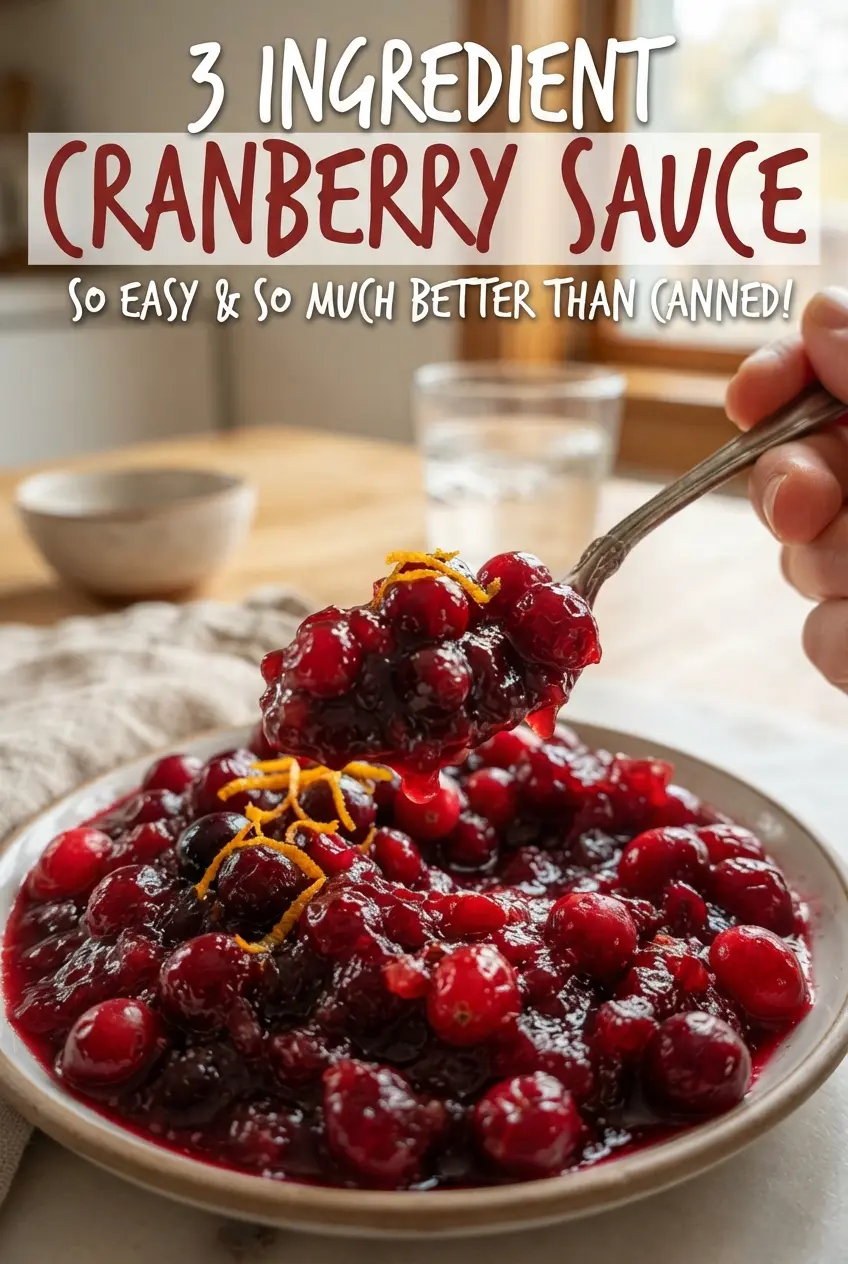
3 Ingredient Cranberry Sauce
Ingredients
Equipment
Method
- Combine granulated sugar and water in a saucepan and bring to a boil over medium-high heat, stirring until the sugar dissolves (about 2 minutes). Visual cue: you should see steady bubbling across the surface.
- Add fresh cranberries to the boiling syrup and return to a boil, stirring to coat the berries. Visual cue: cranberries begin to shift from firm to glossy as they heat.
- Reduce heat to maintain a gentle simmer and cook for 10 minutes, stirring occasionally, until the berries burst and the mixture thickens slightly. Visual cue: you’ll see popped skins and jammy ruby liquid pooling in the saucepan.
- Remove the saucepan from the heat and cool completely to room temperature. Visual cue: the sauce will look thicker and more cohesive as it cools.
- Chill until serving so the sauce sets as it cools. Visual cue: when spooned, it holds shape with a slow, jam-like pour.