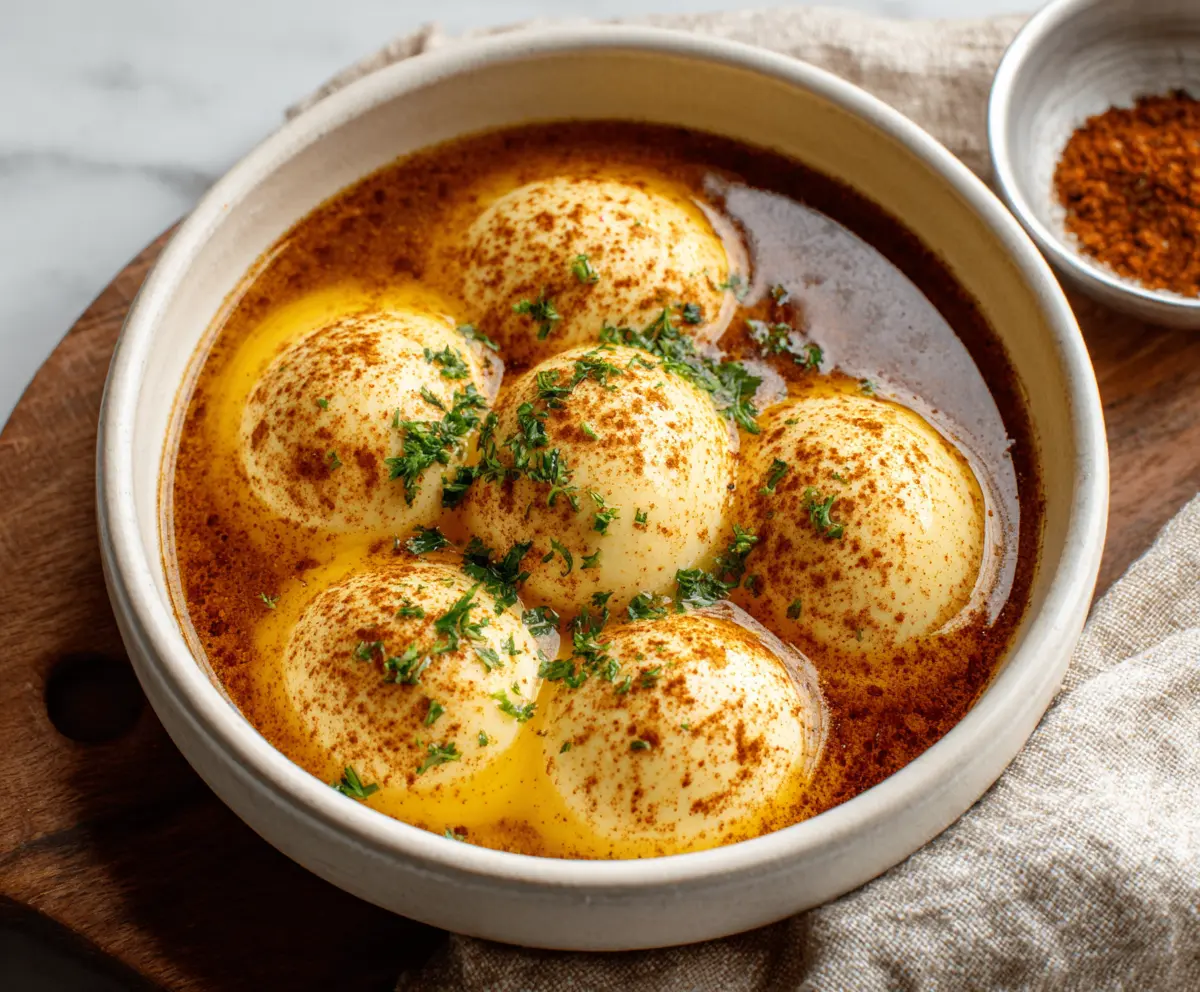
Egg Boil is one of the simplest, most comforting ways to enjoy eggs, with their smooth, firm whites and perfectly cooked, creamy yolks. Whether you like them soft-boiled with a runny center or hard-boiled for slicing and scooping, it’s a classic that never gets old. The best part is how quick it is to prepare and how many ways you can serve it.
I always find that timing is the secret to the best egg boil—too short and the yolk is almost raw, too long and it becomes chalky. I like to start with room-temperature eggs and carefully time the boil for just a few minutes depending on how soft I want the yolk. It’s so satisfying when you peel that shell away and reveal a nicely cooked egg inside. Plus, boiling eggs is one of those kitchen basics everyone should know how to do!
For me, boiled eggs are a perfect snack on their own with a sprinkle of salt and pepper, or sliced on toast with a little avocado. They also make a handy addition to salads or can be chopped up for a simple egg salad sandwich. No matter how you eat them, I think boiled eggs bring a little joy and energy to any meal or time of day.
Key Ingredients & Substitutions
Eggs: Use fresh large eggs for the best texture after boiling. Older eggs peel easier but can be less tender. Picking farm-fresh eggs gives a creamier yolk, which I love.
Oil or Ghee: Vegetable oil is neutral and budget-friendly. Ghee adds a rich, nutty flavor that pairs nicely with the spices. If you prefer, light olive oil can work, but avoid strong-flavored oils.
Chili Powder or Paprika: Chili powder adds heat, whereas paprika keeps it mild with lovely color. Adjust the amount to your spice level. Smoked paprika adds an extra layer of flavor.
Turmeric (Optional): Adds a warm color and subtle earthiness. It’s optional but nice if you want a golden hue. Use just a little to avoid bitterness.
Fresh Herbs: Cilantro or parsley give brightness and freshness. Choose what you like or have on hand. Mint is also a nice alternative for a cooling contrast.
How Do You Get Perfectly Boiled Eggs with Easy Peeling?
Boiling eggs just right ensures tender whites and creamy yolks without a green ring. Here’s how I do it:
- Place eggs in cold water before heating. This helps even cooking.
- Bring to a boil, then lower heat to a gentle simmer for about 10 minutes.
- Immediately transfer eggs to ice water to stop cooking and make peeling easier.
- Peeling under running water can help remove the shell smoothly.
Following these steps gives eggs that hold up well when soaked in spiced oil without falling apart.
What’s the Best Way to Infuse Flavor Into the Oil Without Burning Spices?
Spices can burn quickly, turning bitter, so take it slow:
- Heat the oil or ghee gently on low to medium-low heat.
- Add chili powder and turmeric, stirring constantly to avoid sticking.
- Once you smell the aroma (after about 1-2 minutes), remove from heat.
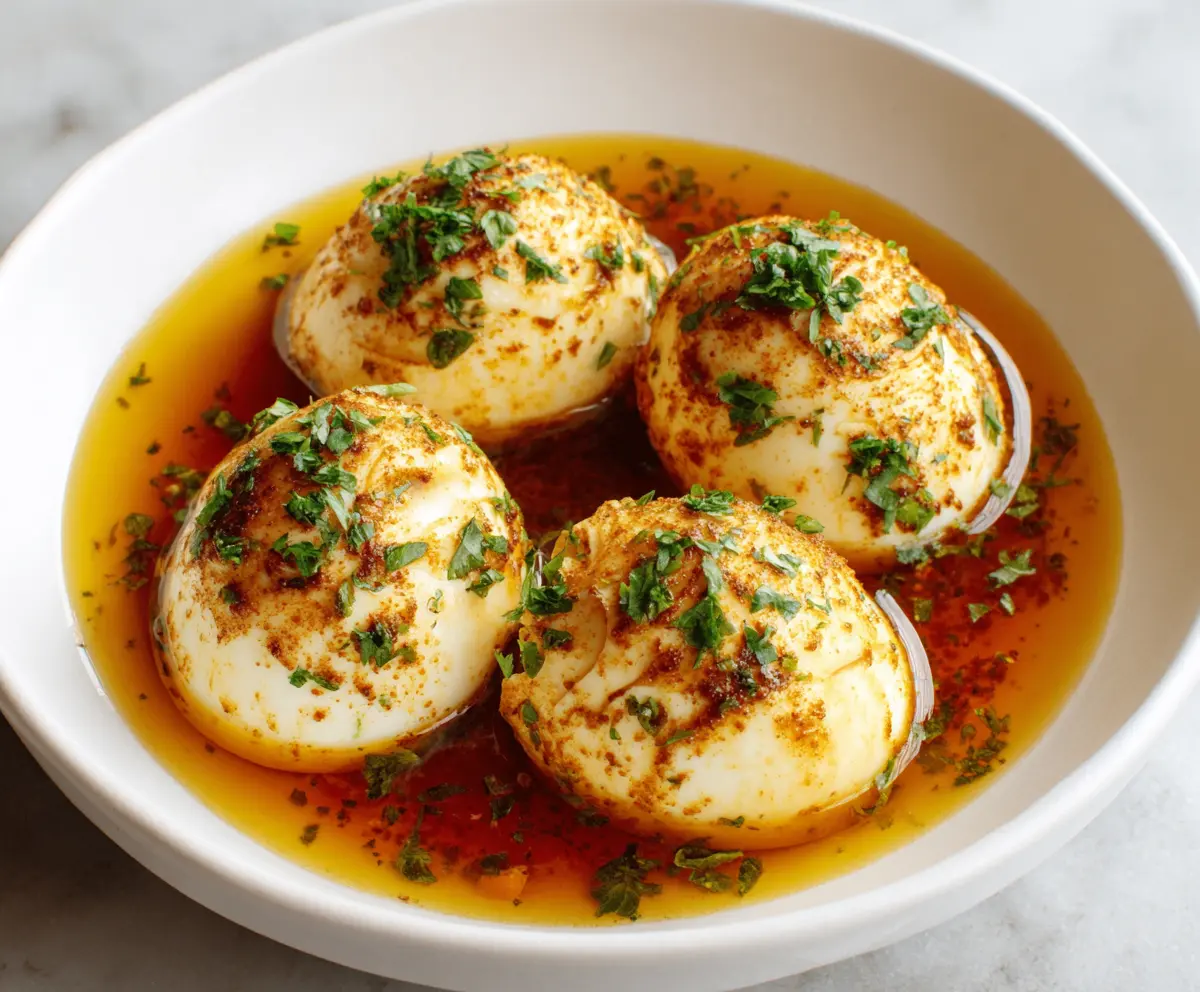
- Pour the warm spiced oil immediately over the eggs so the flavor soaks in nicely.
This careful heating maximizes spice flavor and keeps the oil smooth and tasty.
Equipment You’ll Need
- Medium saucepan – I recommend a good-sized pot to boil all six eggs comfortably and prevent splashing.
- Slotted spoon – makes it easy to transfer eggs into ice water without dropping them.
- Small saucepan – for gently heating the oil and spices without burning.
- Mixing spoon or whisk – to stir the spices into the warm oil evenly.
- Serving bowl – a shallow dish to arrange eggs and pour the hot spiced oil over.
Flavor Variations & Add-Ins
- Try using smoked paprika instead of chili powder for a smoky touch that pairs well with eggs.
- Mix in a dash of cumin or coriander with the spices for extra warmth and flavor complexity.
- Add a pinch of garlic powder or fresh minced garlic into the oil for a savory boost.
- Garnish with chopped mint or basil instead of cilantro for a different herbal note.
Spiced Boiled Eggs in Oil
Ingredients You’ll Need:
For the Eggs:
- 6 large eggs
- 4 cups water (for boiling eggs)
For the Spiced Oil:
- 1/2 cup vegetable oil or ghee
- 1 tsp red chili powder or paprika (for mild spice and color)
- 1/2 tsp turmeric powder (optional for color)
- Salt, to taste
- Fresh chopped cilantro or parsley, for garnish
Time Needed
This recipe takes about 15 minutes total. Boiling and cooling the eggs takes around 12 minutes, while heating the spiced oil and assembling only takes a few minutes more. It’s quick and easy for a flavorful snack or side!
Step-by-Step Instructions:
1. Boil the Eggs:
Place your eggs in a pot and cover them with cold water. Heat over medium-high until the water boils. Then, reduce the heat to a gentle simmer and cook the eggs for 9-12 minutes until hard-boiled.
2. Cool and Peel the Eggs:
Remove the eggs from hot water and transfer them to a bowl with ice water. Let them cool for a few minutes to stop cooking and make peeling easy. Once cool, gently peel the shells off.
3. Prepare the Spiced Oil:
In a small saucepan, warm the vegetable oil or ghee over low to medium heat. Add the chili powder and turmeric (if using), stirring gently. Heat until the spices become fragrant, but be careful not to burn them—this usually takes 1-2 minutes.
4. Combine and Serve:
Place the peeled eggs in a serving bowl. Pour the warm spiced oil evenly over the eggs so they soak up the flavors. Sprinkle with salt to taste. Finish with a garnish of freshly chopped cilantro or parsley. Serve warm or at room temperature for a tasty, spicy treat.
Can I Use Frozen Eggs for This Recipe?
It’s best to use fresh eggs for boiling, as frozen eggs aren’t suitable for this method. If you only have frozen, thaw them completely in the fridge before boiling, but fresh eggs will give you the best texture and flavor.
Can I Prepare the Spiced Oil Ahead of Time?
Yes! You can make the spiced oil in advance and store it in an airtight container at room temperature for up to 2 days. Reheat gently before pouring over the eggs to refresh the flavors.
How Should I Store Leftover Spiced Eggs?
Store any leftover eggs with the spiced oil in an airtight container in the refrigerator for up to 2 days. Bring to room temperature or warm gently before serving for the best taste.
What Can I Substitute for Cilantro or Parsley?
If you don’t have cilantro or parsley, fresh basil, mint, or even green onions make great alternatives that add a fresh burst of flavor to the dish.